Home Blog Page 27

Pre-Season Testing Underway For DesmoSport Ducati

0
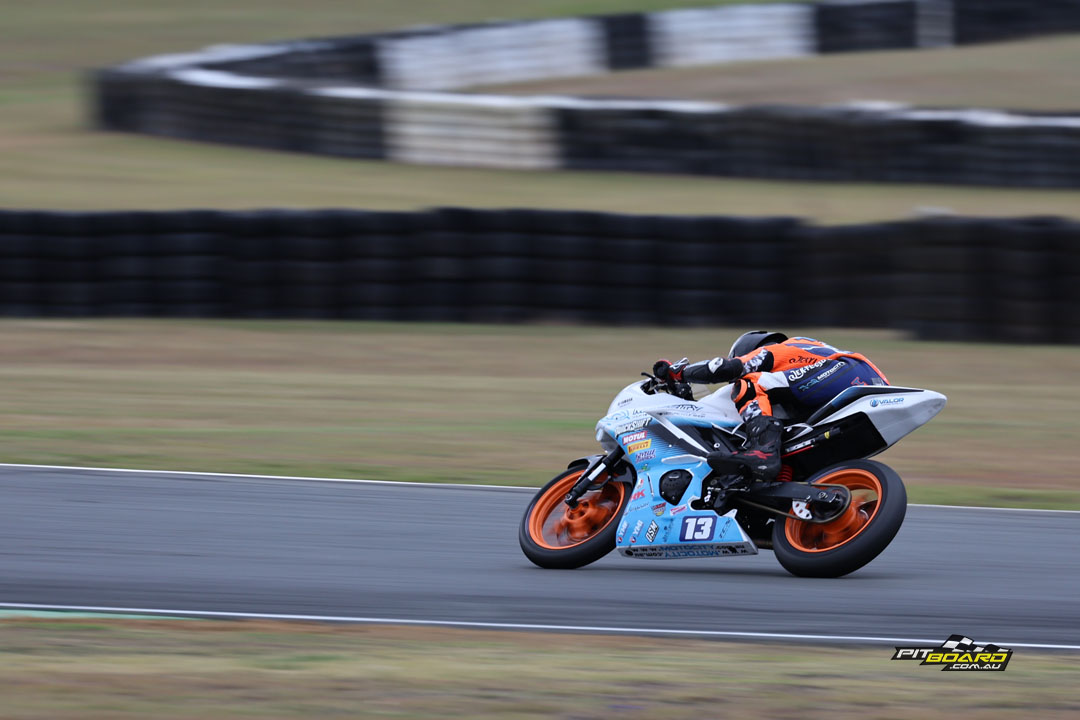
"We tested well here, and I was able to race a few of the St George night races over summer to try and learn the track since I haven't ever ridden a superbike around here before, and I'm feeling pretty good." said Broc.

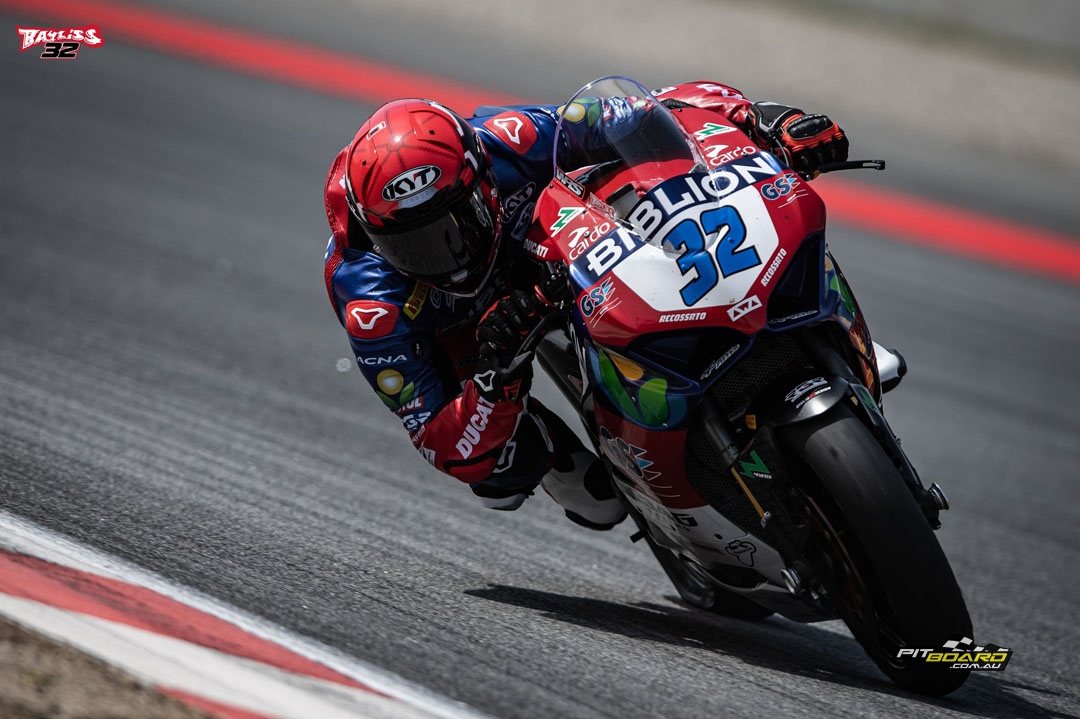
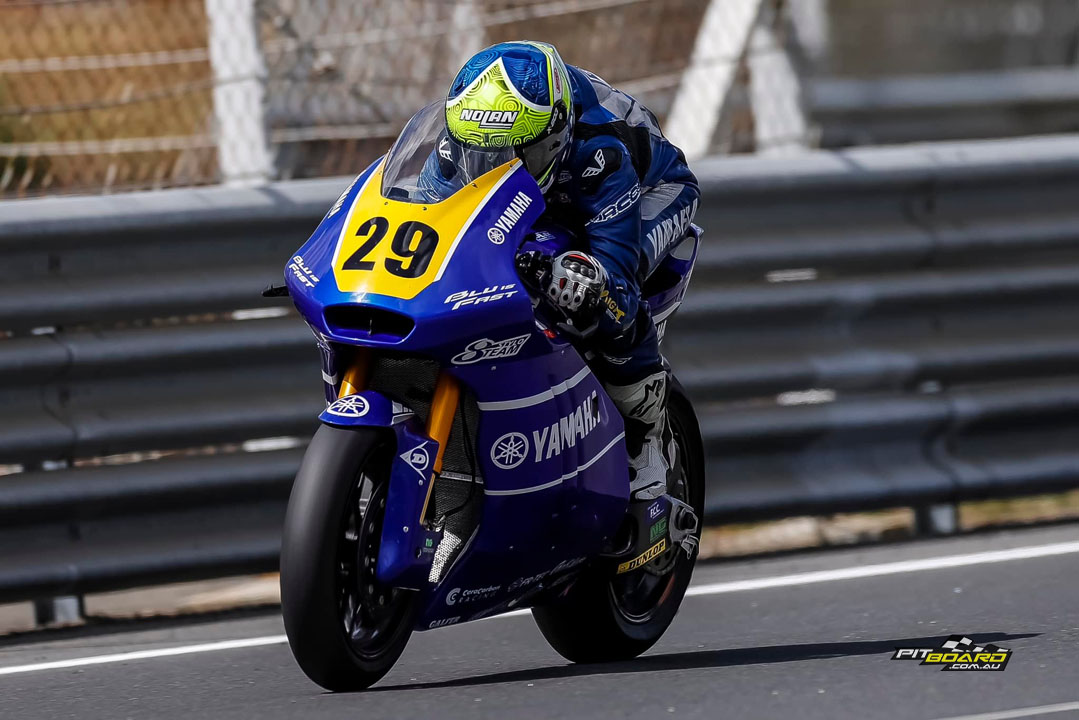
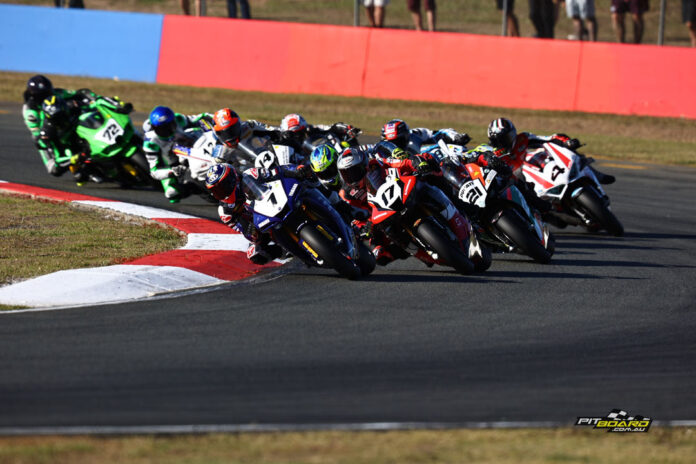
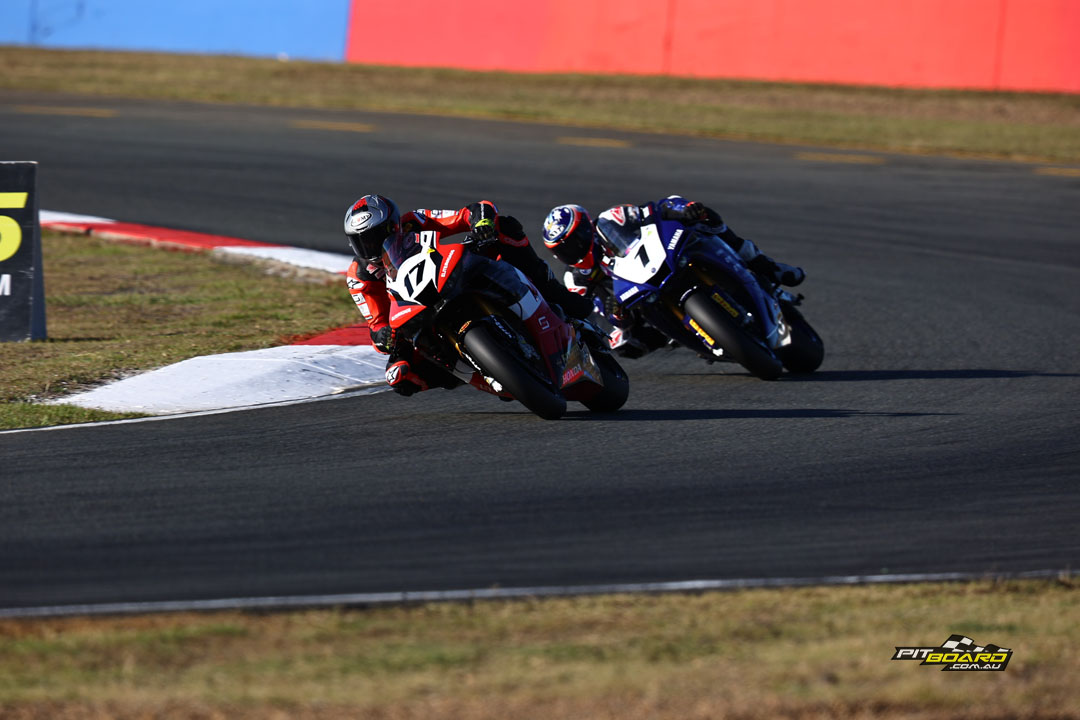
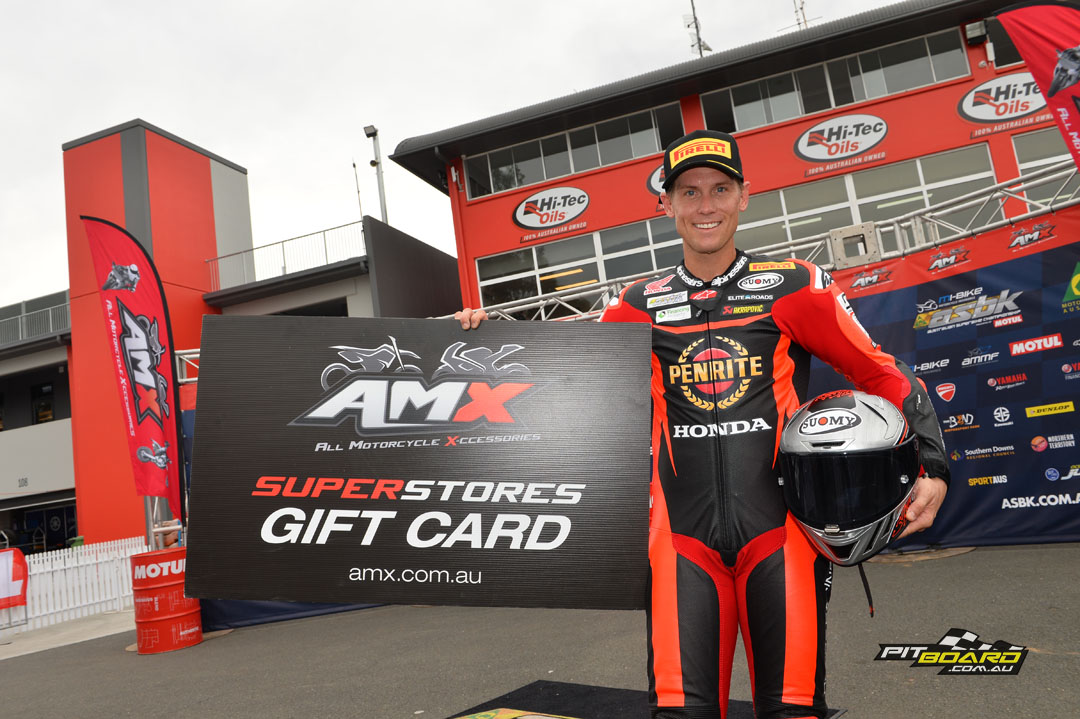
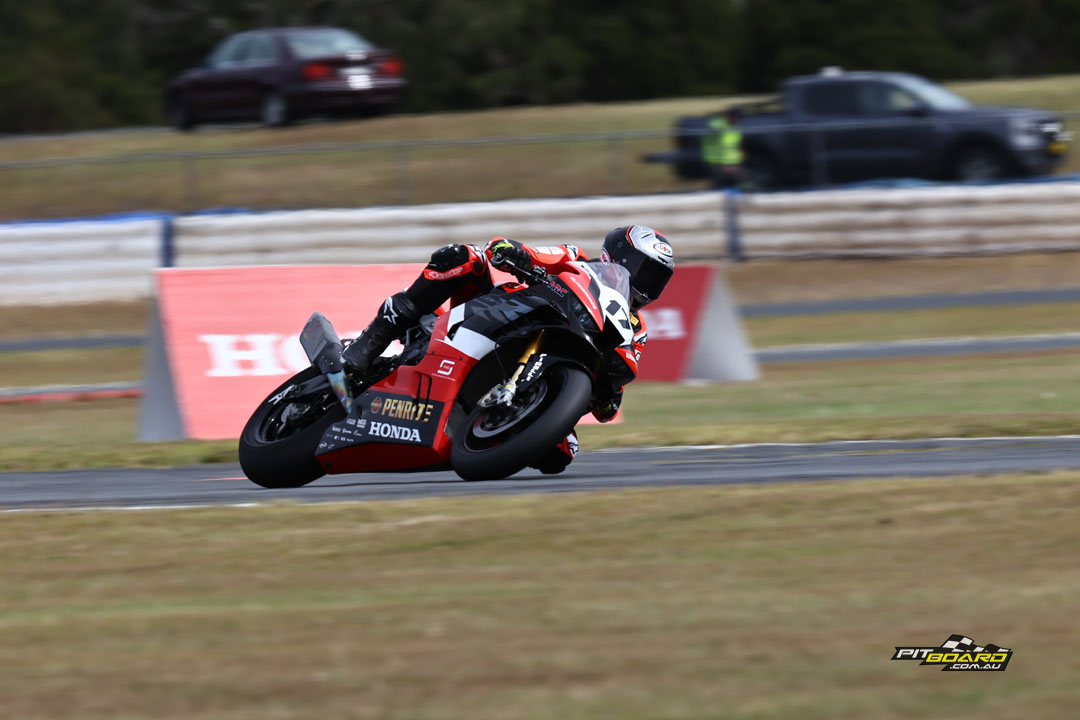
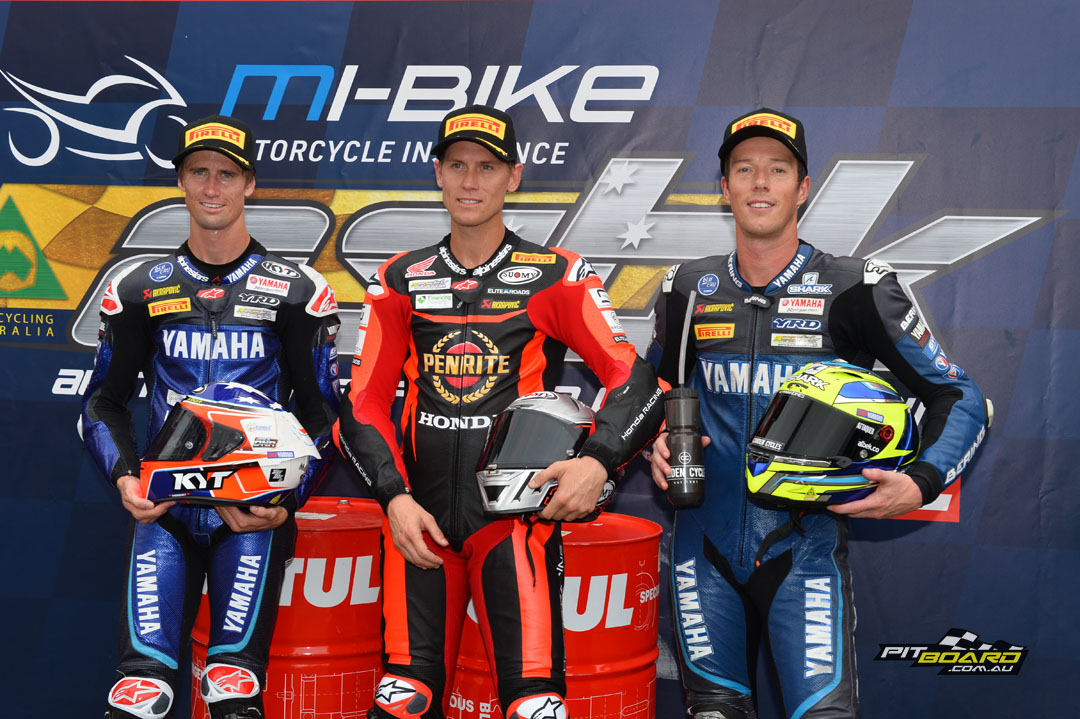
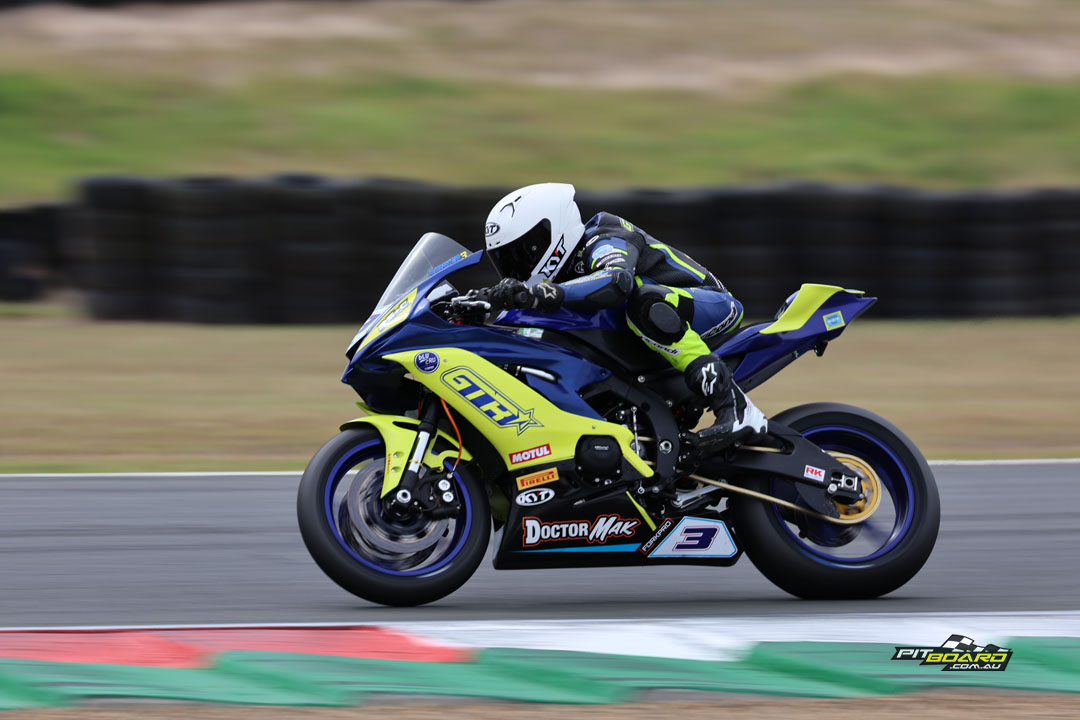
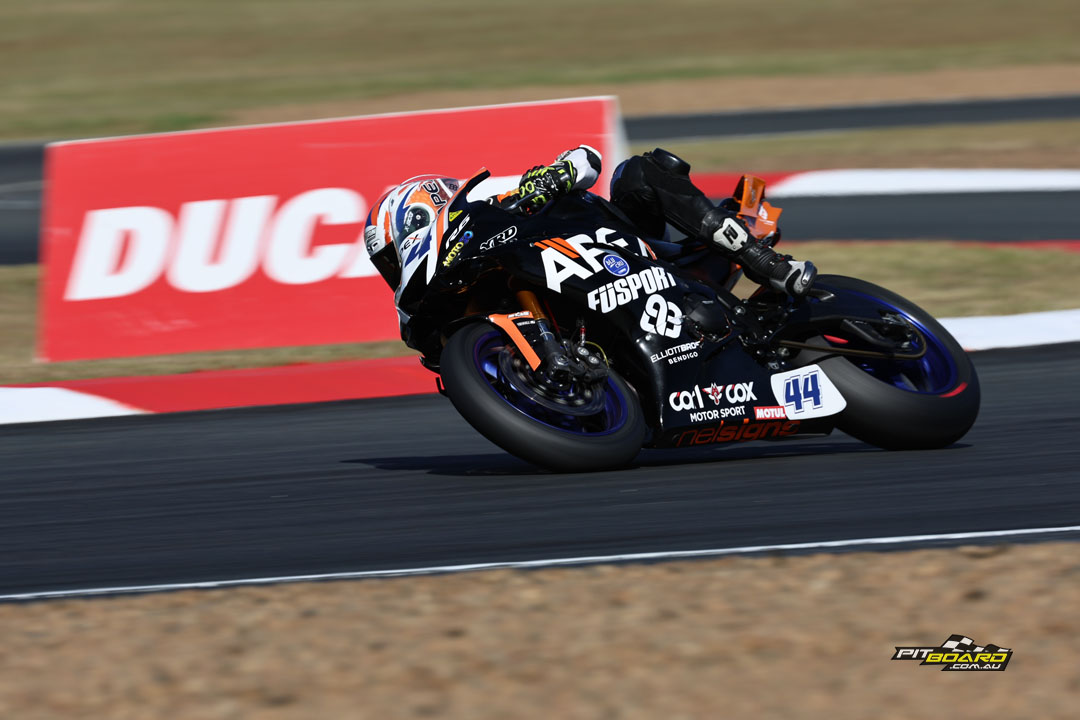
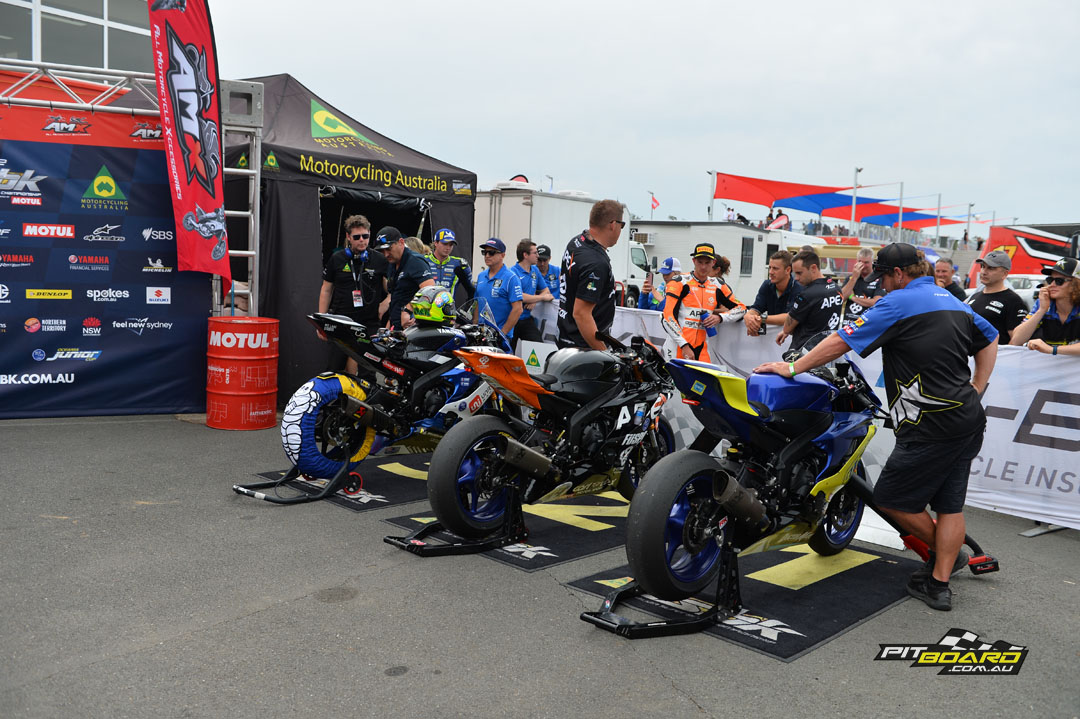
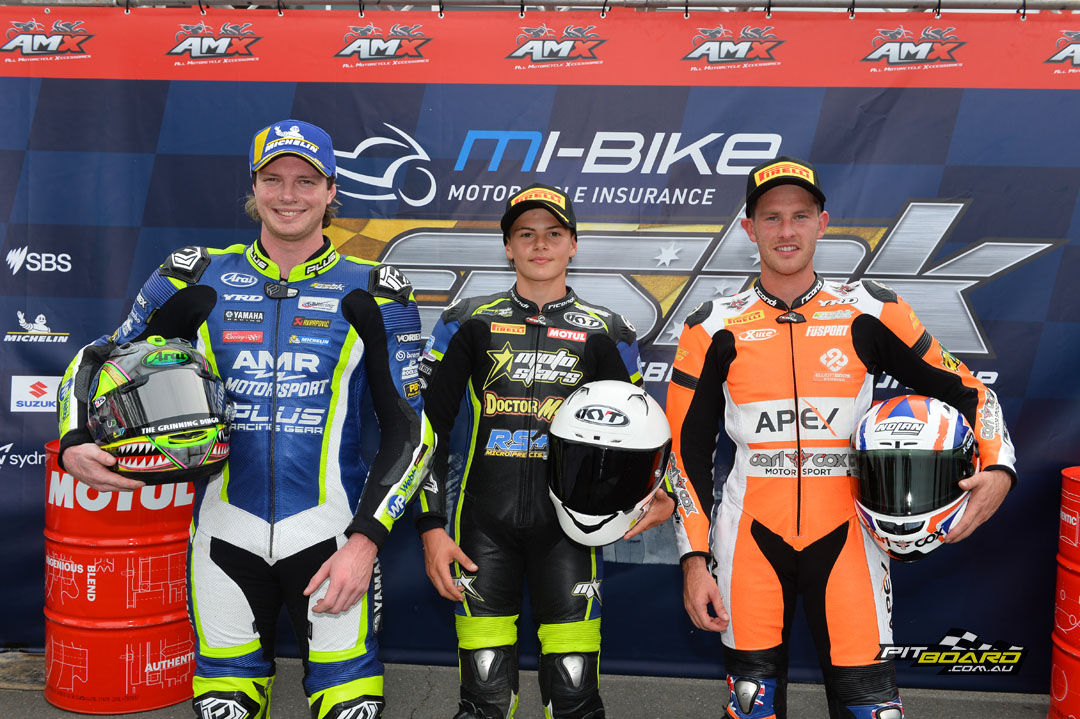
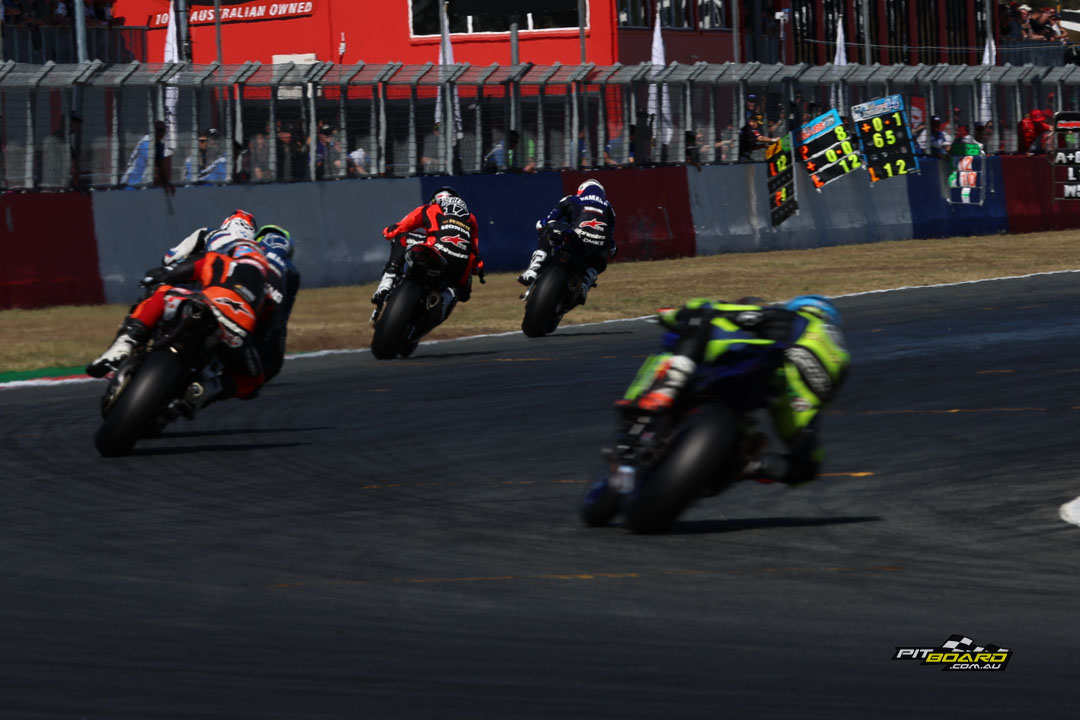
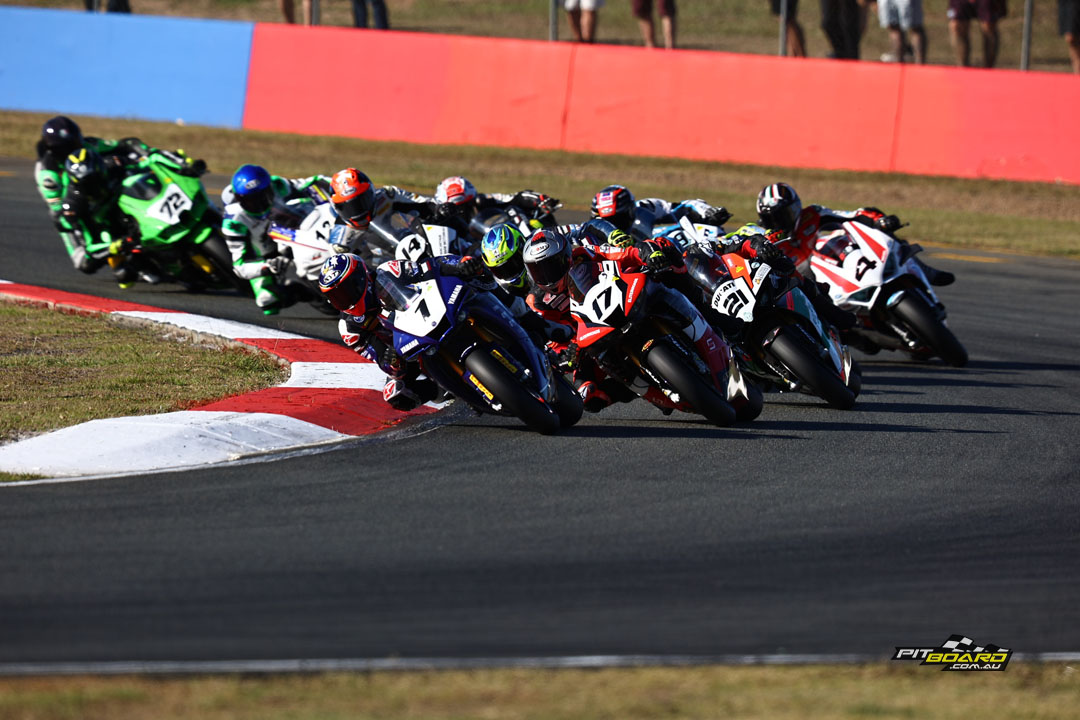
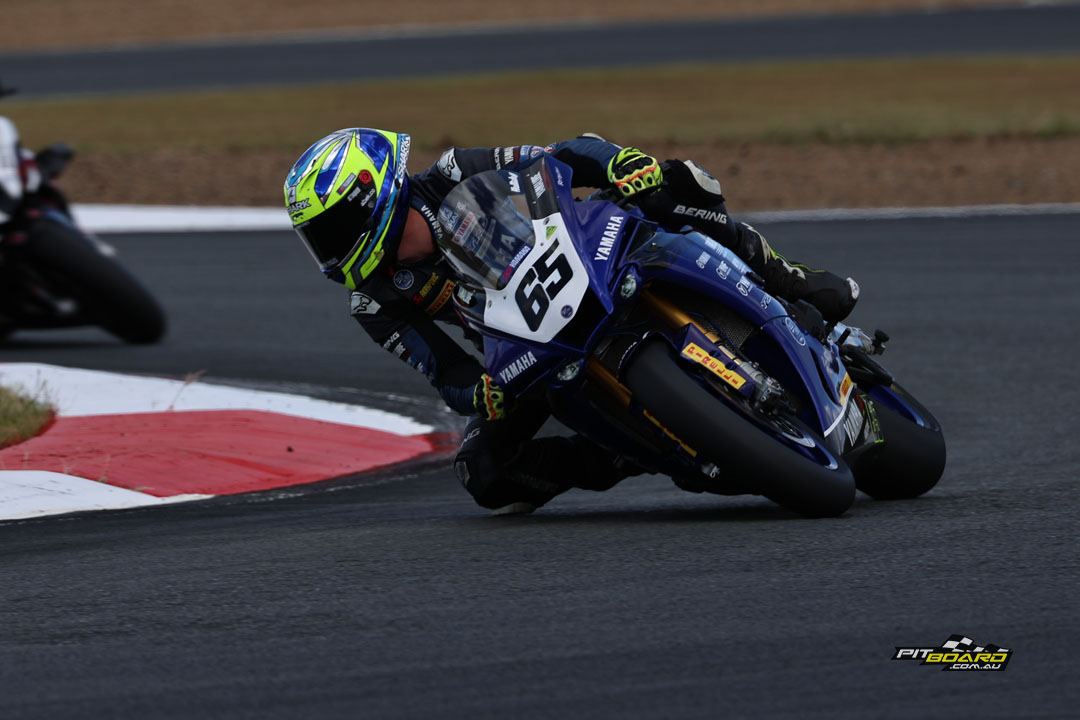
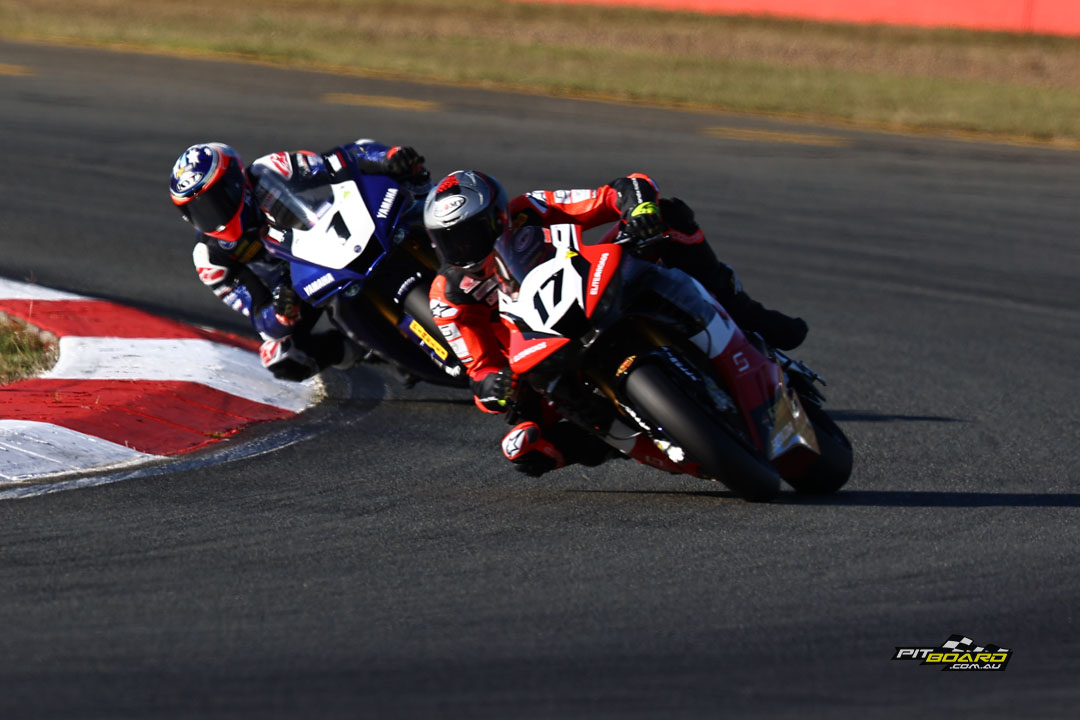
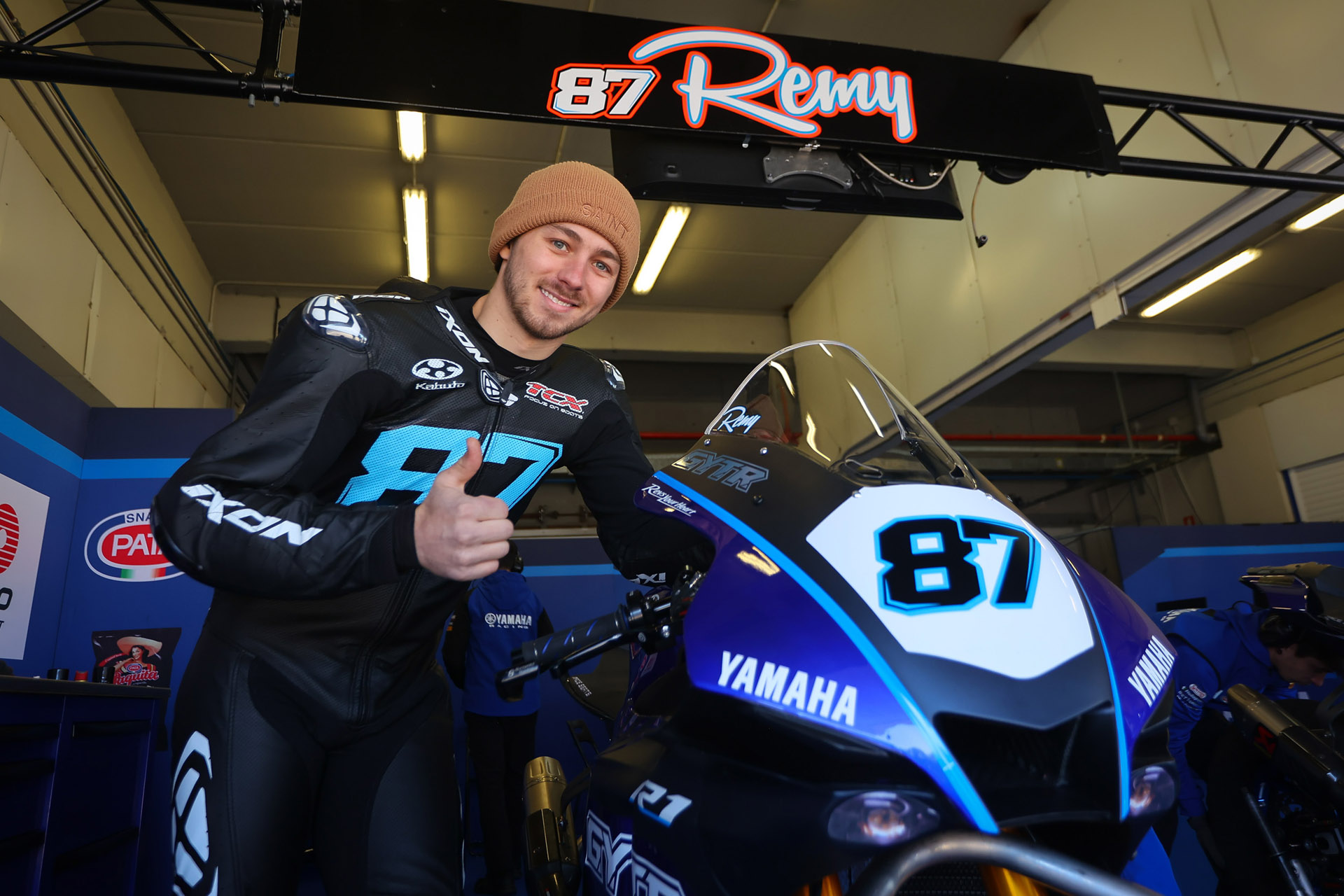
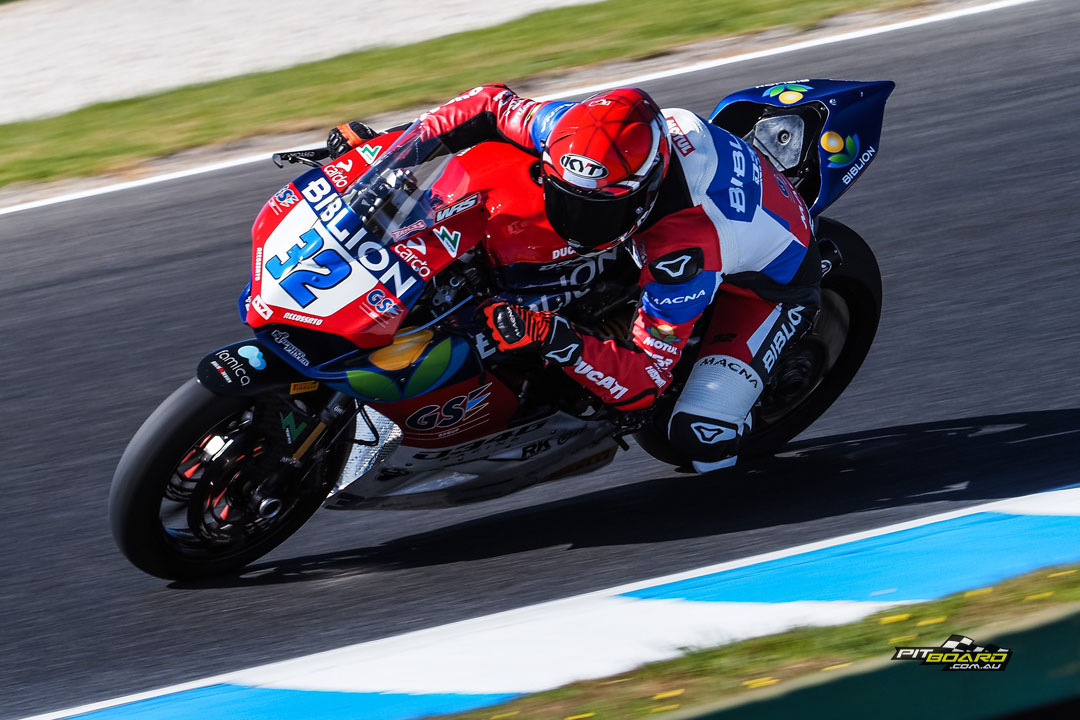
DesmoSport Ducati took to Sydney Motorsport Park over the weekend, alongside a host of a host of ASBK-regulars, as the first test in preparation for the 2023 Australian Superbike Championship. With two nights of racing and a track day, the team set about supporting Broc Pearson as he learns the circuit!

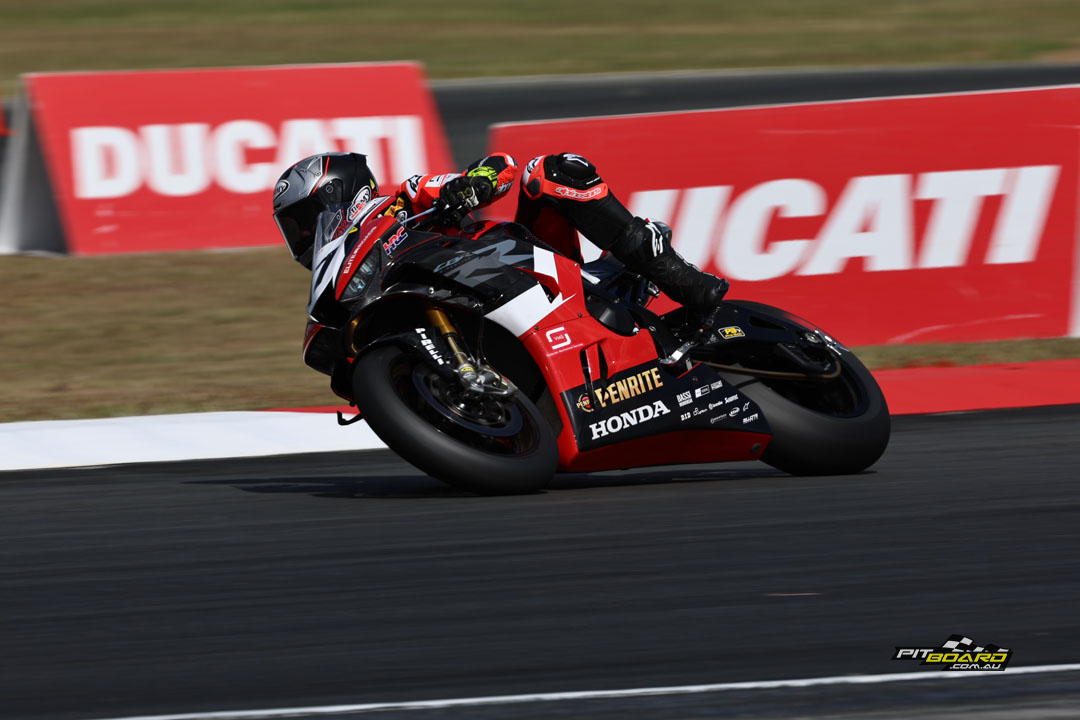
DesmoSport Ducati took to Sydney Motorsport Park over the weekend, alongside a host of a host of ASBK-regulars, to dial in the Ducati V4 R!

Team co-owner, Ben Henry: “The last time we raced in Sydney, it was on the Panigale 1299 Final Edition when we won the championship, so we’ve never actually turned any laps here on the Panigale V4 R. It’s a challenge for us, but one that’s actually pretty enjoyable. Broc dropped over 3 seconds a lap from his initial session on Friday night to his final race on Saturday night which is a fantastic result. We still have some work to do to drop around a second on the lap time to match the leaders, but we focussed on building Broc’s confidence as he learnt the track and we’ll continue on that path when we return here for the two-day ASBK official test in February.”

Team co-owner, Troy Bayliss: “Oli is home and Broc needs some track time on the bike, so we decided to race the St George Summer Series with both boys. Broc on the Panigale V4 R and Oli on Ben’s Panigale V2. It’s a really fun, fast race series and I think they had some fun racing each other again to be honest. With Broc, we’re taking things slowly, spending time on the basics to better understand how he gives feedback, and how the team needs to react to improve the bike for him.”

Oli is also back in Australia following his maiden WorldSSP season. He was out having a run on a Ducati with Broc.

Broc Pearson: “I’ve never ridden a superbike at Sydney Motorsport Park, so I had a bit of learning to do, but I’m really happy with the progress we made this weekend. The team is taking a step-by-step approach that’s working really well as I get comfortable around the track. There’s a new direction with the electronic setup and I’m really just learning the impact of each change as I give the guys the feedback to make the bike easier to ride fast. In the end, I’m happy with the progress we’ve made and it’s great to be back on the bike. It was great to share the garage again with Oli and just like old times, I had him covered.”


1000 and counting: Le Mans to host 1000th Grand Prix!

0

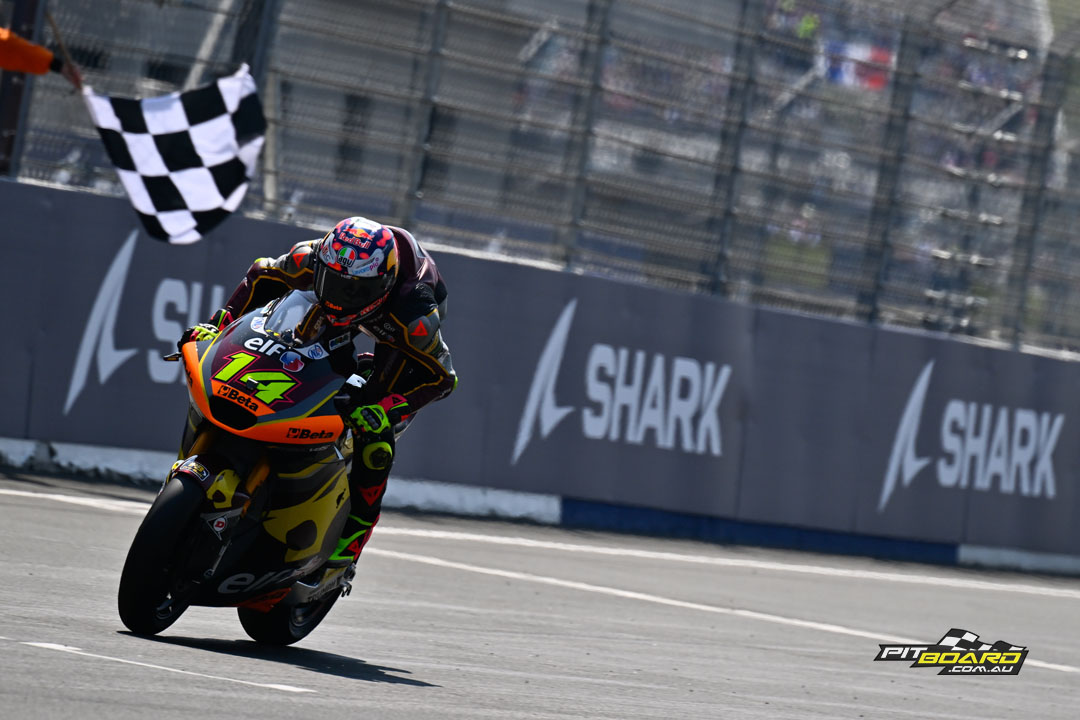
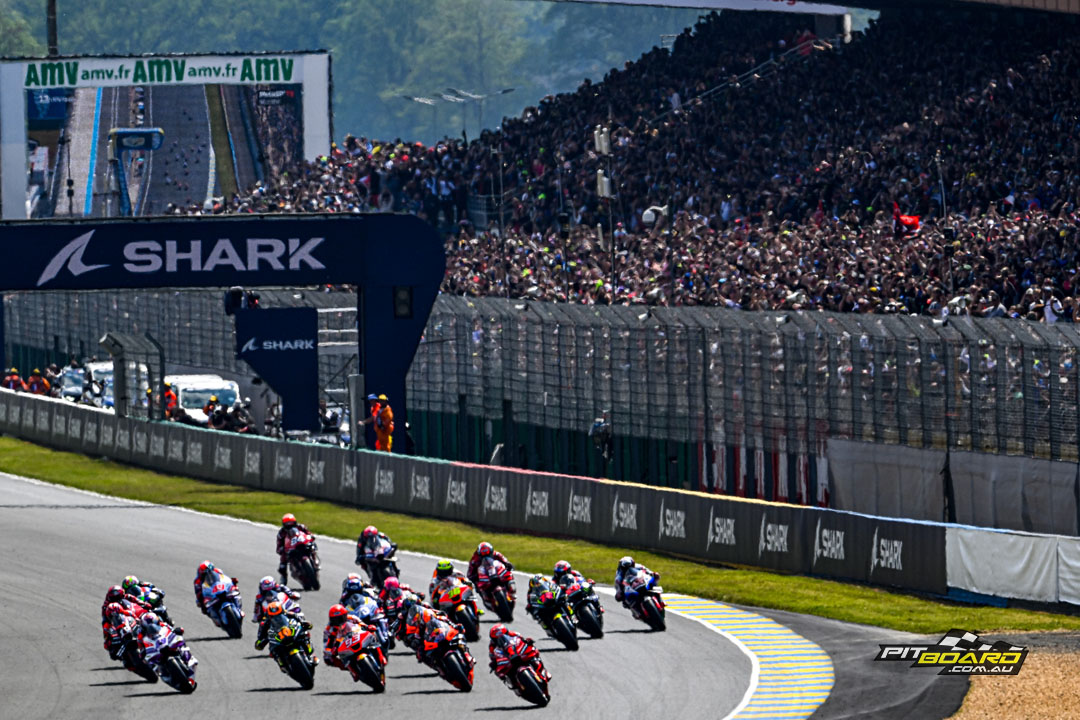
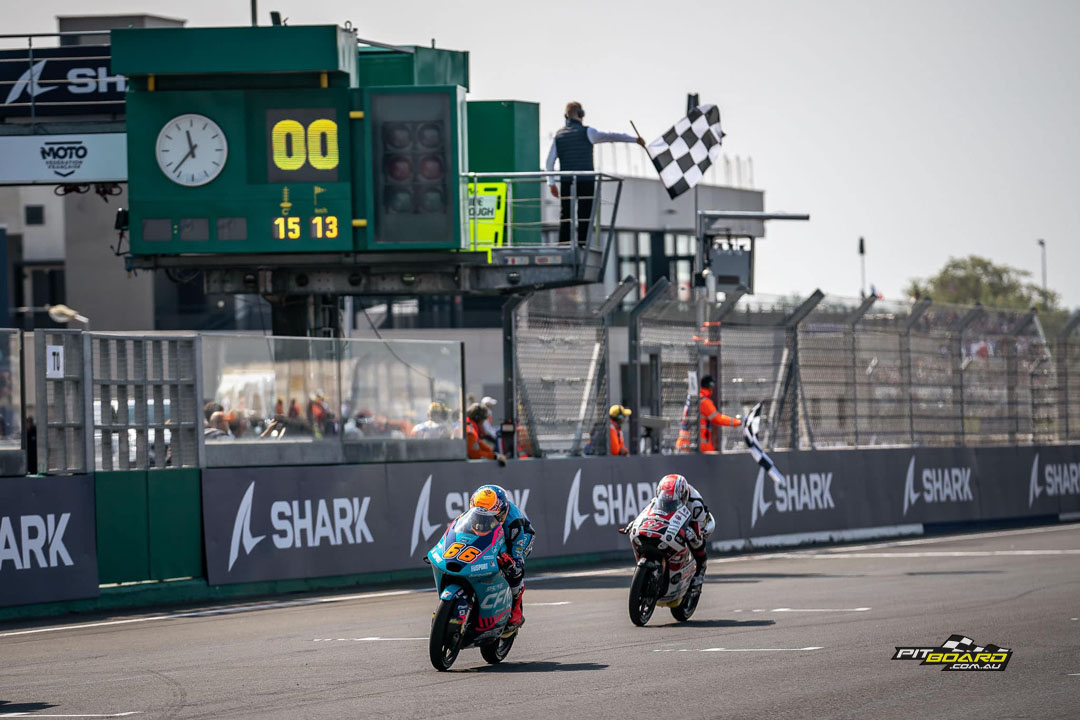
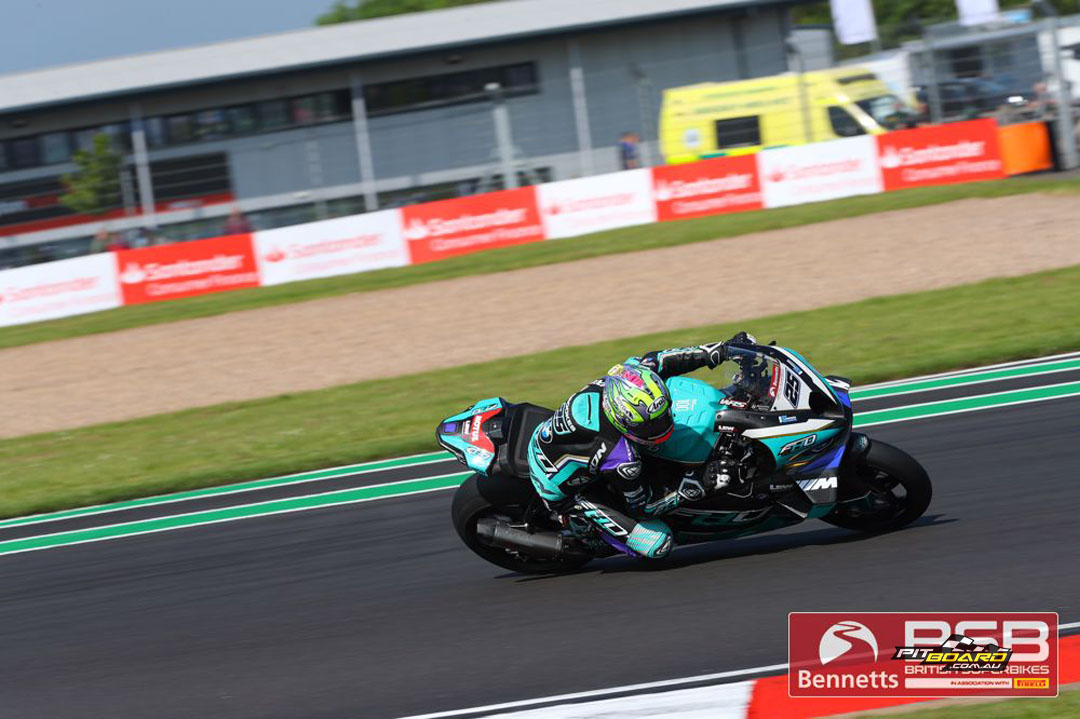
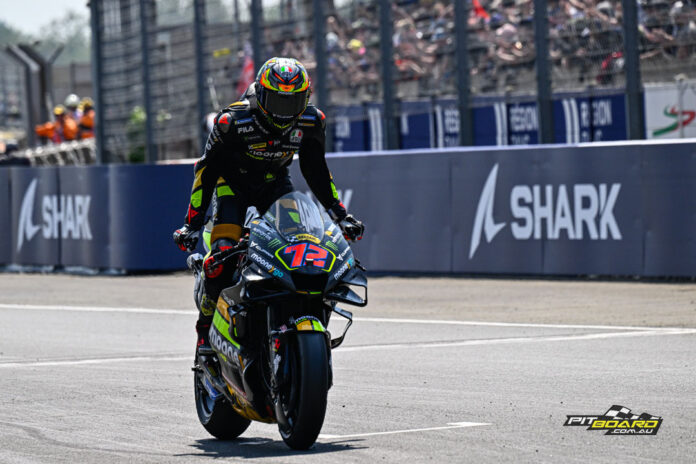
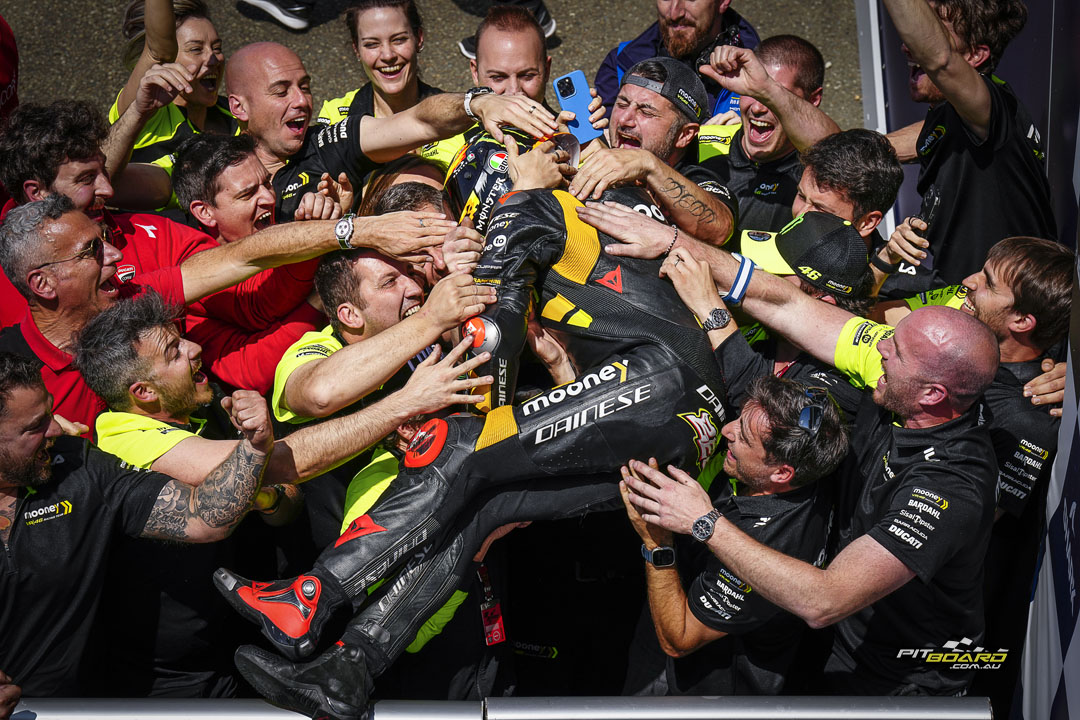
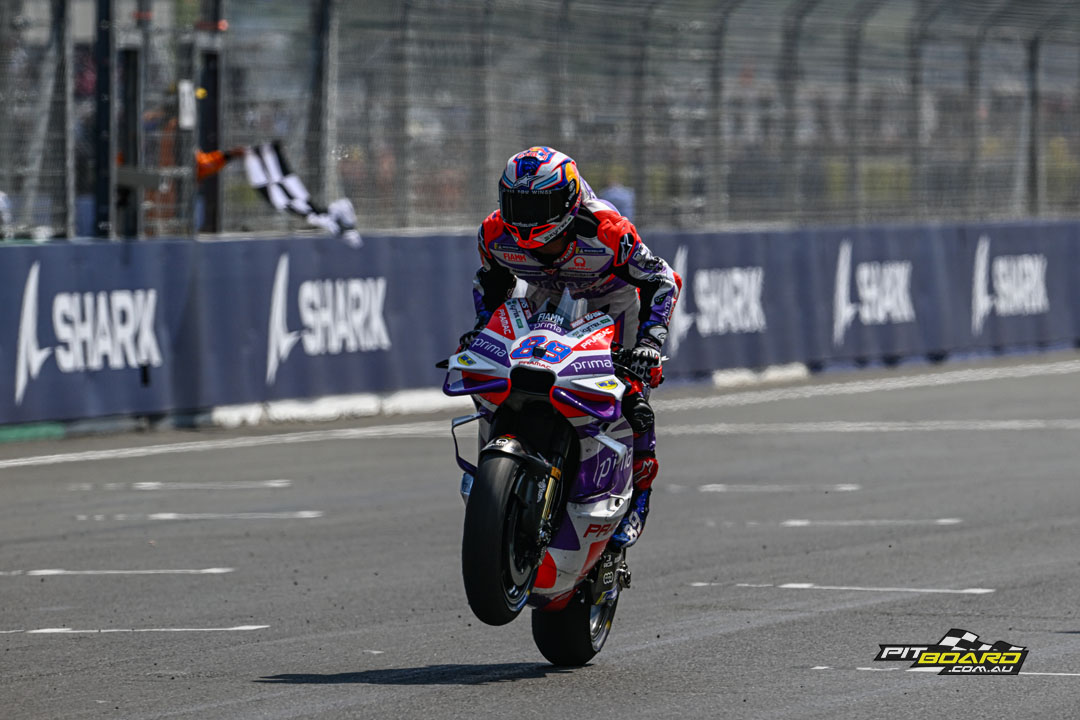
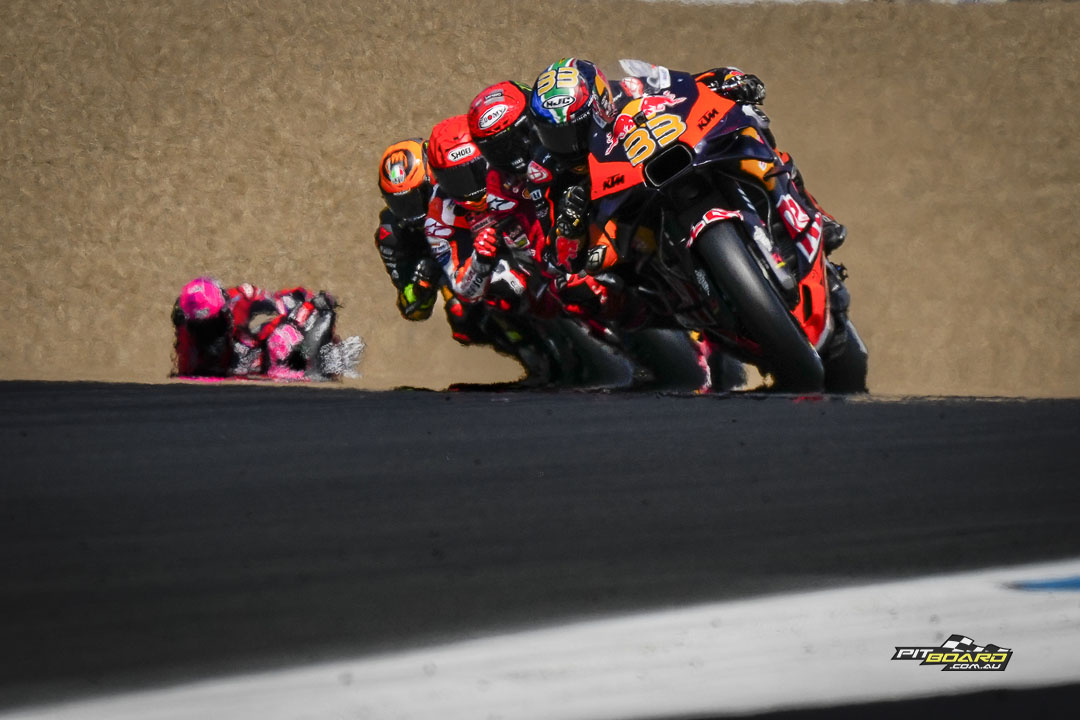
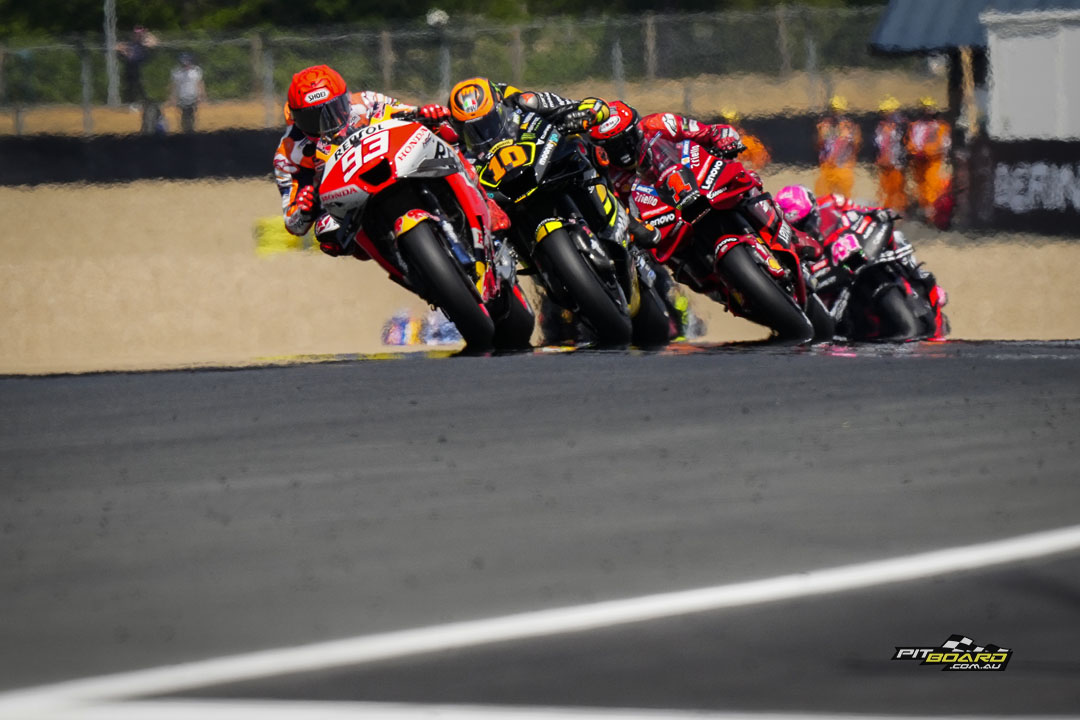
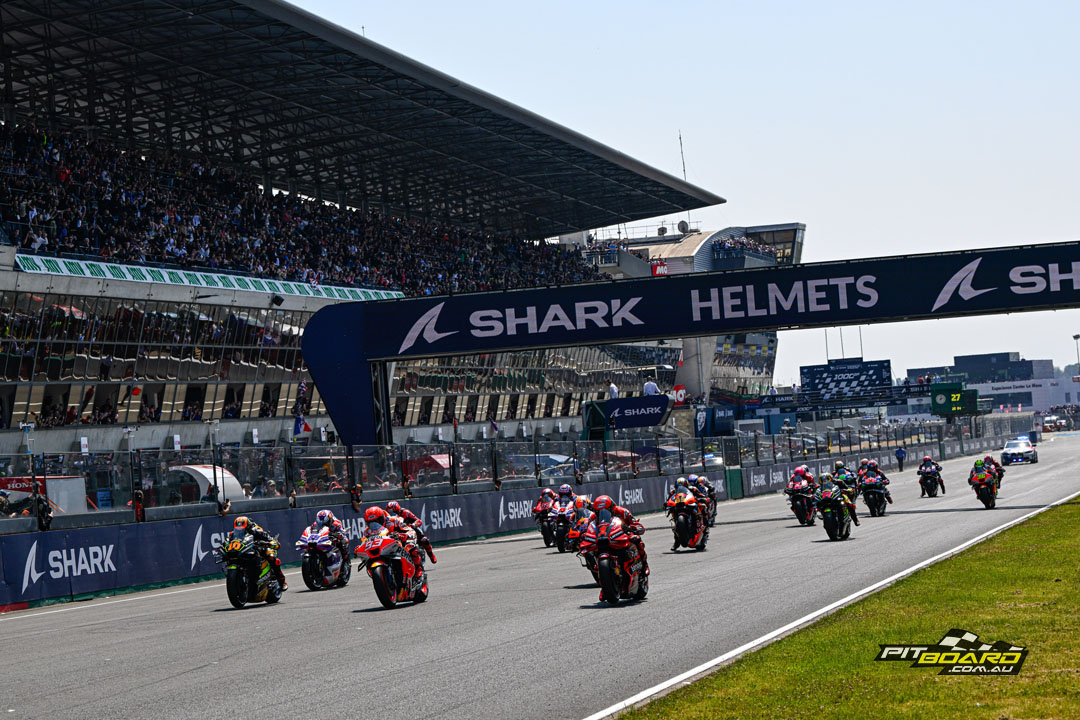
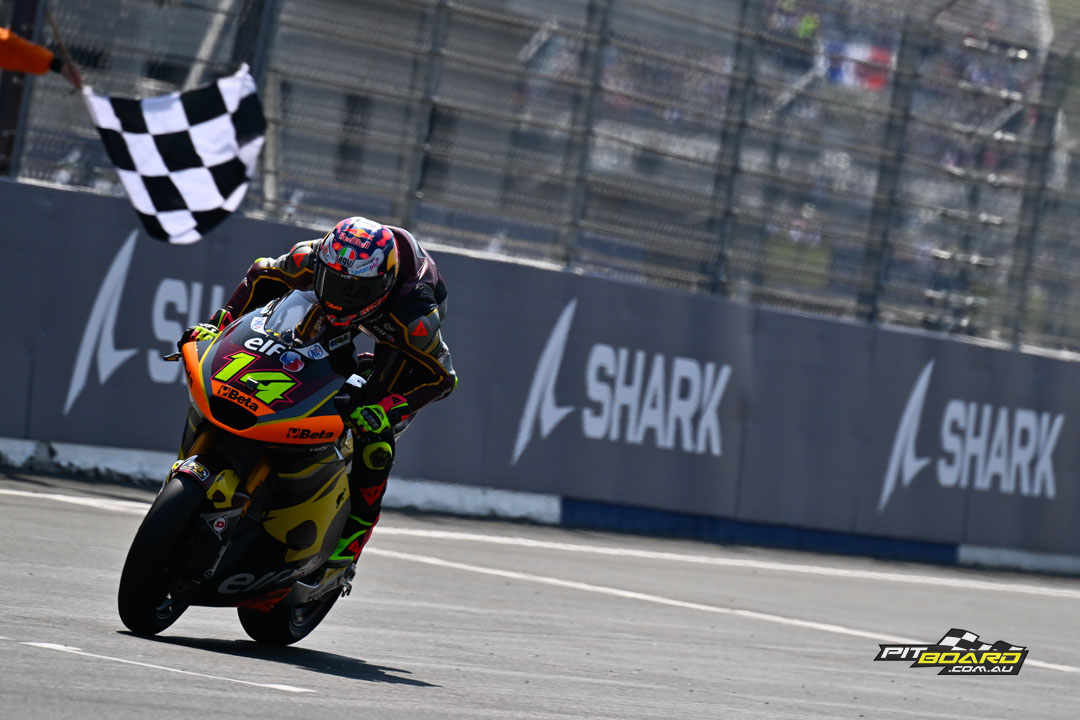
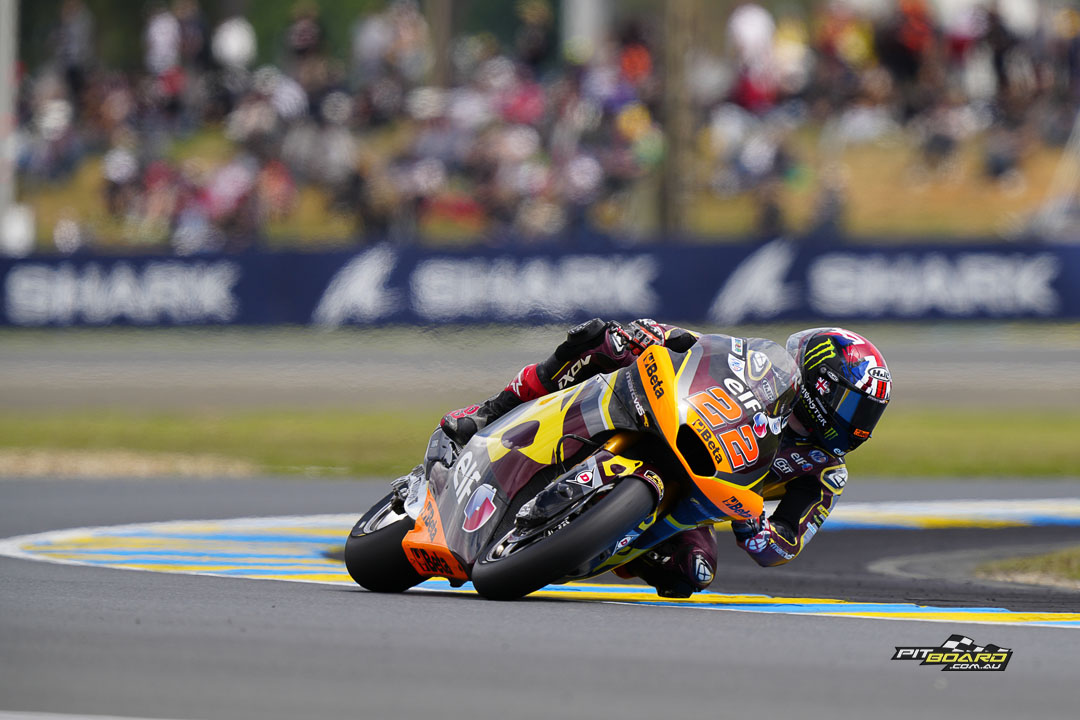
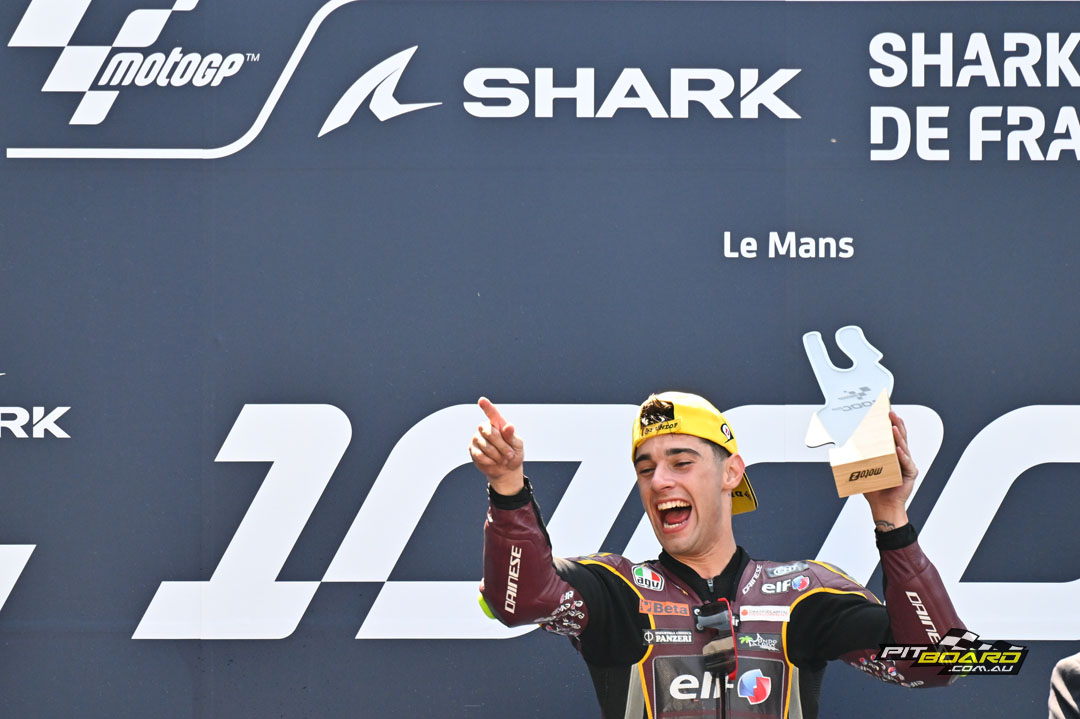
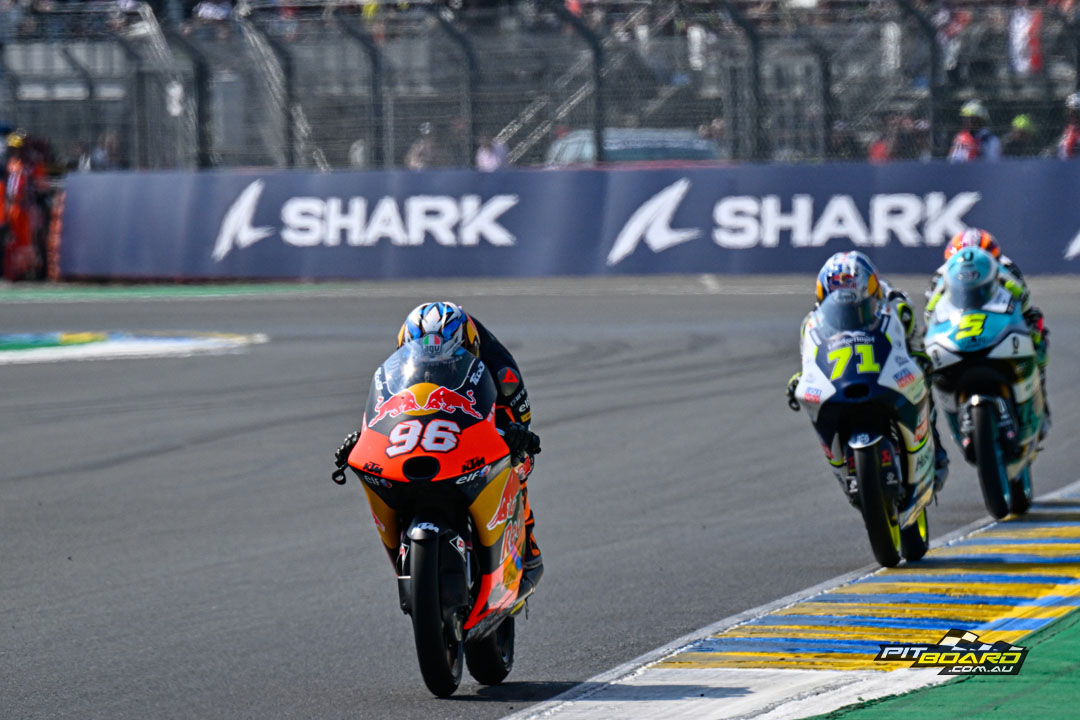
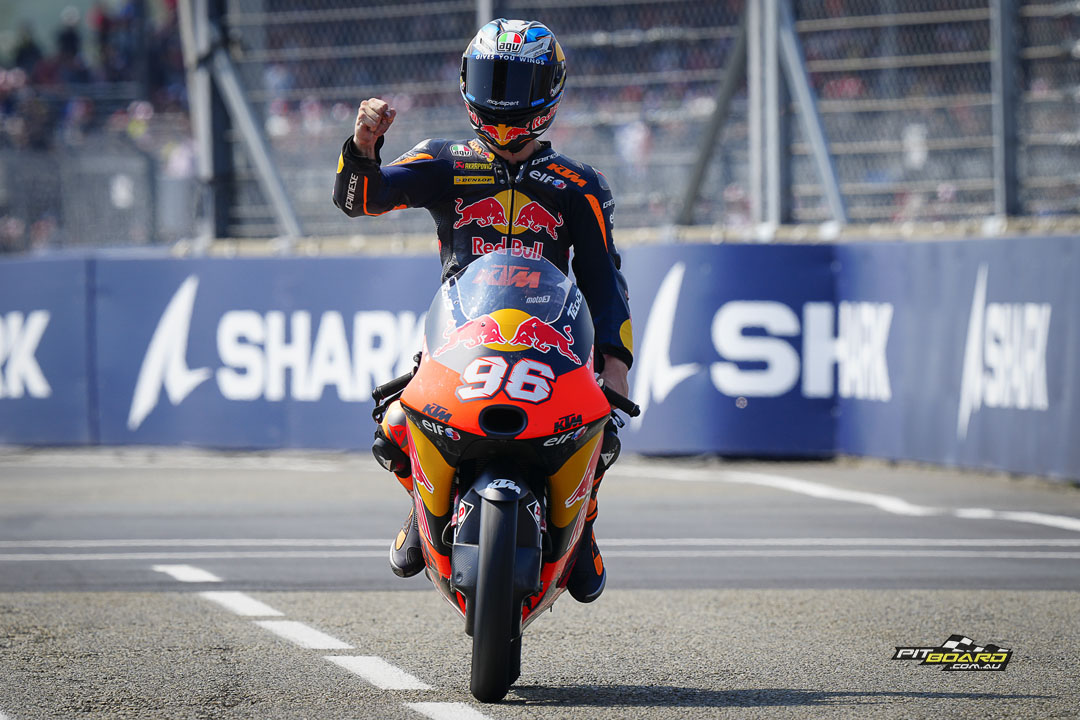
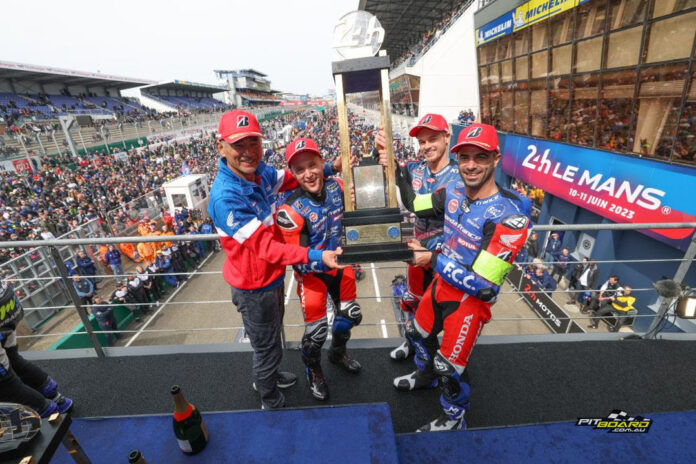
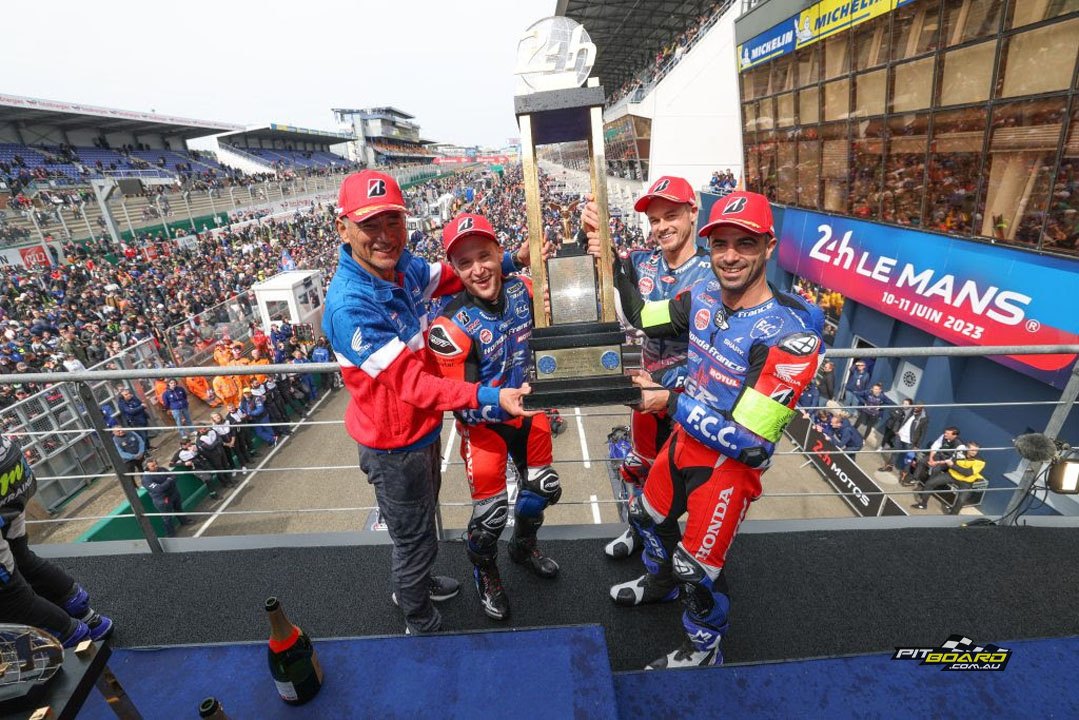
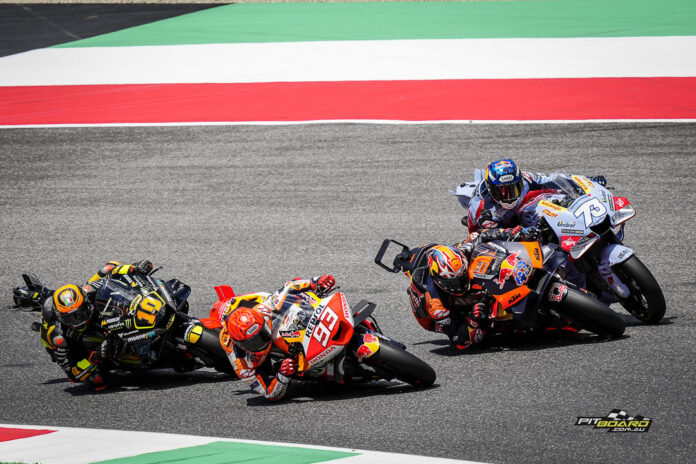
The 2023 SHARK Grand Prix de France will have a special place in history, with classic Le Mans set to host the 1000th Grand Prix! The milestone will take place at a fittingly fabled venue for the motorsport faithful, and one that saw over 110,000 fans pack into the grandstands on MotoGP race day in 2022. 

The 1000th Grand Prix in the more than 70-year history of the sport is set to take place at the classic circuit in Sarthe.

Le Mans has hosted 35 Grands Prix and was first used in 1969 before MotoGP returned to the track full time from 2000. The 1000th Grand Prix will be another milestone to remember at the classic venue, and the event will also mark another occasion as the 30th organised by local promoter PHA Claude Michy. After the French GP was also voted Best Grand Prix of 2022, the stage is set for a glorious return to Le Mans next season as MotoGP prepares to keep making history with the 1000th Grand Prix at the 2023 round. 

The very first Grand Prix took place in June 1949, the first of six events in the sport’s inaugural season. Since, MotoGP has grown into a truly global competition, with a 21-race calendar spanning five continents in 2023. Over MotoGP’s more than 70-year history, 125 different World Champions have been crowned in the solo classes, representing a total of 20 different nations. The sport has competed in 29 countries, and 73 venues have hosted premier class races – with two more of each set to be added in 2023!


Last Chance To Score Free WorldSBK Phillip Island Tickets With Pirelli Tyres

0
Victoria’s thrilling 4.445 km Phillip Island Circuit, considered by many in the paddock as their favourite track in the world.

Want to be trackside for the season opener of the 2023 FIM World Superbike Championship? Here’s your opportunity to be part of the non-stop racing action. Pirelli is offering a 3-day WorldSBK general admission/paddock pass when you purchase selected tyres…

From crowning Champions to bringing iconic battles and unpredictability, the Pirelli French Round awaits the next instalment of a sensational WorldSBK season.
Pirelli is offering a three day WorldSBK general admission/paddock pass when you purchase selected tyres…

Claim your three day WorldSBK general admission/paddock pass simply by purchasing a pair of DIABLO SUPERCORSA SP, DIABLO ROSSO IV CORSA, DIABLO ROSSO IV, DIABLO ROSSO III, ANGEL GT II, ANGEL GT, NIGHT DRAGON/GT, SCORPION RALLY/STR or SCORPION TRAIL II tyres from a bricks and mortar store before January 31st 2023 unless sold out.

If you’ve bought a pair between those dates, click on the link here and fill out the form with your proof of purchase to redeem your ticket!

Victoria’s thrilling 4.445 km Phillip Island Circuit, considered by many in the paddock as their favourite track in the world.

Victoria’s thrilling 4.445 km Phillip Island Circuit, considered by many in the paddock as their favourite track in the world, has for many years launched the world’s leading production bike championship, until 2022 when it saw the season finale. 

World Superbike and World Supersport teams, including Australia’s Oli Bayliss and Ben Currie who will compete in the WSS Championship, will head down under. They will be joined by the leading national classes of Australian Superbike, Australian Supersport and Australian Supersport 300!


Get The 2022 WorldSBK Yearbook!

0
The Official 2022 WorldSBK Yearbook is available now. Teams, pilots, exclusive images and more!

The Official 2022 WorldSBK Yearbook is available now. Teams, pilots, exclusive images and more! Don’t miss out the chance to delve into all the Championship and discover until the last detail of it. You can pick yours up now via the WorldSBK site for an RRP of $75aud. Click here to grab yours.

The Official 2022 WorldSBK Yearbook is available now. Teams, pilots, exclusive images and more!

The official Motul FIM Superbike World Championship annual is about to drop after one of the most exciting and engaging seasons since the championship began way back in 1988.

Providing comprehensive coverage of the 12-round series, with all classes and major developments covered from first to last, the annual is a quality hardback publication, telling the story of the competitive year from unique perspectives inside the paddock. A peerless array of high quality images, presented in a clear and contemporary layout, completes a package that is surely a must-have for any WorldSBK fan’s bookshelf or coffee table.


Grab your 2022 yearbook here…


Round-by-round coverage and analysis forms the backbone of this quality product, with action and atmosphere photographs from each host venue helping to put you inside the story of each enthralling weekend. From the very first points scoring face-offs at Motorland Aragon in Spain to the sometimes frantic flyaway rounds in Argentina, Indonesia – and a return to Australia – the major incidents and inspirations come alive in words and pictures in a format that can be enjoyed forever in your own home.


New Products: Blur B-10 Youth Goggles

0
Landing soon in Australia are the new Blur B-10 Youth Goggles, these are the perfect choice to hit the track with!

Landing soon in Australia are the new Blur B-10 Youth Goggles, these are the perfect choice to hit the track with! Made to handle the harsh motocross conditions, you’ll be keeping your eyes safe while having plenty of choice to colour match to your lid!

Landing soon in Australia are the new Blur B-10 Youth Goggles, these are the perfect choice to hit the track with!

The Blur B-10 Youth goggles feature a modern frame design with straps that have triple silicone stripes and size adjustments for a secure fit. They also feature triple layer foam, anti-scratch coating and 100% UV protection.


Soon to be stocked at motorcycle stores, you can pick them up for an RRP of just $34.95, with a choice between: Black & White, Black & Neon, Black & Pink or Black & Multi!


Blur B-10 Youth Goggles Key Features

  • Modern frame design
  • Triple layer foam for optimum comfort, durability and moisture wicking
  • Strap with triple silicone stripes for a secure fit
  • Size-adjustable strap
  • Lens made from superior 3D-molded 1.2mm lens for ultimate clarity
  • Anti-scratch coating for durability
  • 100% UV protection
  • Anti-fog lens
  • Tear-off pins

New Product: Bell Moto-9S Flex Edge, Tagger Edition

0
Back by popular demand is the redesigned Moto-9s Flex—the refinement of a long-standing industry leader.

Want the look of custom paint, but can’t afford the price? Well the new Bell Moto-9S Flex Edge graphic created by Southern California artist Tagger Designs gives you the look without hurting your wallet! Check it out, Cassons have them in stock now!

The new Bell Moto-9S Flex Edge graphic created by Southern California artist Tagger Designs gives you the look without hurting your wallet!

Back by popular demand is the redesigned Moto-9s Flex—the refinement of a long-standing industry leader. This strong, lightweight helmet carries over Bell’s time-tested traditions of performance and advanced safety standards. Packed inside are three material layers that protect at different impact speeds and redirect rotational energy.


Check out the 2023 Bell Helmets dirt catalogue here…


Back by popular demand is the redesigned Moto-9s Flex—the refinement of a long-standing industry leader.

Bell say protection like this is what gives their motocross and off-road racers the confidence to go big. You still get the unbeatable ventilation of the flexible, segmented liner that adapts to the shape of your head for a custom feel. Top off this no-compromise design with Bell’s Tri-Matrix shell, delivering all the strength of carbon fibre in a more budget-friendly package for value that’s unheard of. 

Cassons have you sorted with a whole range of cool colourways and sizes to keep you safe out on the dirt without breaking the bank. Contact them here for availability information!


Racer Test: CFMoto 650NK-TT, Chinese-Built Supertwin 

0

CFMOTO competing in Grand Prix racing with an official factory Moto3 team has been hailed as a landmark moment in International racing. Alan rode the first Chinese bike to race in international road racing, the CFMoto 650NK-TT, so we thought we’d check it out.

Words: Alan Cathcart Photos: Andrew Moreton                                     

CFMoto will be competing in Moto3 next year with the plans to take their team all the way to MotoGP in the future. Alan checked out the bike that started their international racing dreams.
CFMoto is competing in Moto3 this year with the plans to take their team all the way to MotoGP in the future. Alan checked out the bike that started their International racing dreams.

Just like its rival Zongshen company which became the first Chinese manufacturer to take part in GP racing in the 2005-2008 seasons with customer 250GP Aprilias, CFMoto’s two Spanish riders Xavier Artigas and Carlos Tatay are mounted on rebranded versions of the reigning Moto3 World champion KTM RC250GP machine.


Check out our other racer tests here…


This reflects CFMoto’s close links with the Austrian firm whose Indian-made 200/390cc singles it has assembled in China for local sale since 2014, with various KTM twin-cylinder models also slated to enter production in coming years at CFMoto’s ever-expanding Hangzhou factory.


However, CFMoto already became the first Chinese manufacturer to compete in International road racing with its own products designed and built in China, and successfully, at that, with British rider Gary Johnson finishing fourth in the 2016 Lightweight TT on the gruelling 60.74km Isle of Man TT Mountain Course on the CFMoto 650NK-TT racer entered and prepared by the company’s British importer, WK Bikes.

Gary Johnson finished fourth in the 2016 Lightweight TT on the gruelling 37.74 mile/60.74 km Isle of Man TT Mountain Course on the CFMoto 650NK-TT racer.
Gary Johnson finished fourth in the 2016 Lightweight TT on the gruelling 60.74km Isle of Man TT Mountain Course on the CFMoto 650NK-TT racer.

This class caters for 650cc streetbike-derived Supertwins, and except for this Chinese-built motorcycle it’s been dominated for years by Kawasaki’s ER-6 (aka Ninja 650R in some parts of the world), and the Italian Paton powered by a Kawasaki motor, which have won all eight races since the class was first conceived back in 2012, with the Suzuki SV650 V-twin very much a supporting act. Johnson had in fact held onto third place for the first two laps of the race before slipping back to fourth after a pit stop for refuelling, yet at the end was only two seconds off the podium after 240km of gruelling road racing aboard a bike rejoicing in the nickname of ‘Madagascar’. Well, movie fans, look at the colour scheme …!


“After the very first time I rode the CFMoto, I was pleasantly surprised by its potential,” said Johnson. “It’s based on their production 650NK streetbike, but you shouldn’t discount it because of where it comes from. It’s basically a very good motorcycle, and WK Bikes have put in a massive development programme which has seen the race bike move to a far more competitive level. They’ve got good power out of it, and we’ve tried to blow the engine up to make sure it’s up to the job, but we could not blow it up!”

WK Bikes kicked off the CFMoto TT race project in 2013, when Aussie rider David Johnson rode a race-prepared but essentially stock 650NK sponsored by China’s Tsingtao beer
A 108 mph lap from a standing start proved it had some potential, so Gary signed up to race it in 2014, now with official support from the CFMoto factory in China.”

WK Bikes kicked off the CFMoto TT race project in 2013, when Aussie rider David Johnson rode a race-prepared but essentially stock 650NK sponsored by China’s Tsingtao beer for them in that year’s Lightweight TT, but retired with a dropped valve.

But DJ had been delayed travelling from Down Under to the Island in time for practice, so since two-time TT winner Gary Johnson (no relation) lives near WK Bikes’ Lincolnshire base, he offered to do a lap on the bike just to shake it down ready for the Aussie rider to hop onto it.  A 108mph lap from a standing start proved it had some potential, so Gary signed up to race it in 2014, now with official support from the CFMoto factory in China.

Prior to Gary, a few riders gave the 650 CFMoto a spin with some backing from WK Bikes.
A 108mph lap from a standing start proved it had some potential, so Gary signed up to race it in 2014, now with official support from the CFMoto factory in China.

Johnson was fourth fastest in practice, but sadly crashed his Kawasaki ZX-10R in the Superstock TT, and injured himself too badly to be able to race the CFMoto that year. However, 24-year old TT newcomer Callum Laidlaw brought his own CFMoto 650NK using a standard engine home in 33rd place out of 38 finishers, averaging 105.045 mph for the race – a very respectable speed for a TT tyro on a motorcycle essentially just as it left the Chinese factory, except for a race exhaust, suspension and fairing. In 2015 it was Gary Johnson’s turn to DNF on the very first lap with a broken conrod – but next year it all came good, with that fast, trouble-free ride to fourth place at the finish line, just a tantalising two seconds off the rostrum.

Despite some bad luck in previous years, Gary managed to get the CFMoto home for a very impressive fourth place. Beating brands that have been racing for decades.

The chance to ride Gary Johnson’s Chinese-made Supertwin came at Cadwell Park, on the full 3.47km circuit whose Woodland section complete with wheelie-friendly The Mountain is a mini-TT Course of its own. It came under the eagle eye of the man responsible for developing the bike, Grimsby-based performance engineer Chris Gunster, a former UK National level 125/250GP racer.


“We’d done a lot of work with Gary setting up his Superstock and Supersport bikes for TT racing,” said Gunster, “so when he agreed to race the CFMoto Lightweight bike they gave it to us to develop it properly – the first year when the Aussie guy raced it, it was dead stock, and very underpowered in comparison to everyone else at the sharp end of the field. Gary did that single 108mph standing start lap with just 79bhp, so we knew it had potential if we could start tuning it successfully – and reliably.”


Taking the stock CFMoto 650NK DOHC eight-valve parallel-twin engine measuring 83 x 60mm for a capacity of 649.30cc, fitted with a 180 degree crank, offset chain camshaft drive and a single gear-driven counterbalancer, Gunster had to retain the stock crankshaft under Lightweight TT rules, but after the 2015 DNF fitted British-made Arrow forged steel conrods, carrying JE forged pistons machined to suit the cylinder-head and valves.

These delivered a 14:1 compression ratio, up from an already quite respectable 11.3:1 stock as the bike left China, achieved by skimming the block that already came standard with chrome bores. The cylinder-head was also skimmed to help achieve the high compression that’s so important for good drive out of turns, while retaining the stock gasket, and then ported and flowed by the late ace TT tuner Steve Mellor – one half of the famous V&M team which helped David Jefferies beat the factory Honda racers to complete a clean sweep of all the world’s greatest public roads races in 1999 aboard the V&M Yamaha R1 tuned-up streetbike, including the NW 200, both the Isle of Man Formula 1 and Senior TT races, the Ulster GP, and finally the Macau GP in China.


Mellor, who passed away in 2018, was THE top tuner in the Supertwins class since the category was invented in 2012, and professed himself impressed by the quality of the stock Chinese bike’s engineering, before setting to work to wrestle more power out of it.

A long and fast road course such as the Isle of Man TT circuit worked well withh the 650's lumpy nature, with Gunster noting that the throttle was wide open for more than half the lap!
A long and fast road course such as the Isle of Man TT circuit worked well with the 650’s lumpy nature, with Gunster noting that the throttle was wide open for more than half the lap!

The resultant tuned-up CFMoto 650i race engine was now fitted with billet camshafts made by Kent Cams to Steve Mellor’s spec, with a very similar profile to the ones Gary Johnson used in his Kawasaki ZX-10R Superbike.


“These operate slightly shortened stock 33mm inlet and 28mm exhaust valves,” said Gunster, “and the reason for that is the original 650NK motor has the shim as part of the bucket, which is a quirky thing I’ve not seen before on any motorcycle, meaning if you want to re-shim it you have to change the entire bucket! Because of the logistics and expense of carrying several different buckets to adjust the valves, we shortened the valve stems to run a conventional shim under bucket system, like everyone else. We retained the stock valves, though, but with dual springs, running in standard valve guides.” 

A group effort from the best tuners in the country resulted in an amazing, reliable and high powered CFMoto 650 twin.

The inlet valves are fed by twin Marelli throttle bodies, each carrying a single 5-hole Marelli injector, and these originally started out as 38mm units before Gunster began boring them out. “We tested different bores from 38mm to 45mm, and settled on 42mm as the best balance between top-end performance and low down rideability,” he said. “Even so, the motor is quite lumpy at low revs before it smoothes out at around 6000rpm, and a lot of that is with the size of the throttle-bodies and the injectors, because everything is geared around making it go fast. I was quite amazed to discover the throttle is wide open on a Lightweight bike like this for 68 per cent of a full lap of the TT Course.”


“I was quite amazed to discover the throttle is wide open on a Lightweight bike like this for 68 per cent of a full lap of the TT Course.” said Gunster.


“Now I understand why top riders like Gary who race them like them so much – you can really dominate them, and just ride the wheels off them!” An Italian Arrow race exhaust was fitted as is practically standard in the Supertwins class – most Kawasakis run one. There was no oil cooler, but with the extra power available the larger Pace coolant radiator earned its keep. Engine management was taken care of by the stock Ducati Energia (no relation, though – well, not since 1953!) ECU to which the team were given the access codes by CFMoto to permit modification and remapping.


Getting the airbox right is apparently a key issue in Supertwins said Gary: “The biggest problem seems to be how much those things want to breathe – there’s a midrange gain of as much as 7bhp if you can significantly increase the airbox volume from standard. So we basically cut the top off of a stock airbox to accommodate very long 50mm velocity stacks fed by an airscoop that lives above the radiator, to let it suck as much air as it wants. It’s a combination of airbox, throttle-bodies, injectors, fuel pressure and exhaust, which together with Steve Mellor’s tuning magic have collectively got us where we are. Where’s that? We have 102bhp@10,300rpm at the rear wheel, and peak torque of 74Nm@9,400rpm, which makes it on a par with the best Kawasakis in terms of performance.”


This tuned up motor was fitted in a 100 per cent stock unbraced tubular steel 650NK diamond frame which used it as a fully stressed member. This carried a fully adjustable 43mm Öhlins Road and Track fork housed in Harris adjustable triple-clamps designed for a GSX-R1000, which allowed the offset to be varied between 25-33mm, and thus the trail. With the stock cantilever steel swingarm and fully adjustable Öhlins monoshock offset to the right, this resulted in a fairly tight 1415mm wheelbase.

Dry weight complete with a Harris Moto2 race fairing and Kawasaki ZX-10R seat is 161kg, stopped by twin 320mm Brembo floating front discs and four-piston Monoblock radial calipers, with a 220mm rear disc. The team ran Metzeler RaceTec tyres, with the rear upsized to a 180/55-17 on a 5.50in rim, instead of the stock 650NK’s 4.50in wheel carrying a 160/60 rear tyre – for better grip on the angle, as well as increased stability, said Chris.


It was the wet weather grip of the treaded Supersport-spec tyres compulsory for Supertwins racing that most concerned me when I took to the track at Cadwell Park for my first of three sessions that day with the surface still damp from overnight rain. I needn’t have worried – the rubber from Metzeler (then about to become Chinese owned!) shrugged off any damp patches, and the easy-steering controllability of the CFMoto brought reassurance in its wake, in allowing quick corrections when the back end stepped out.

With Cadwell park still damp from the night before. Alan took off on the 650 machine to see what made it so successful.

The street-pattern powershifter originally wasn’t working properly – and not at all for the top two gearshifts – but the stock ratios in the six-speed gearbox seemed well suited to the power characteristics of the motor, even though these were quite a bit different than on the street 650NK I’d last ridden at Broadford in Australia four years earlier in 2012.


“5,800rpm is when it came alive with a serious burst of power that wasn’t so fierce it’d unhook the back wheel.”


That’s when I became the first journalist outside China to get acquainted with the products of the first Chinese manufacturer to really get it in terms of what Western customers are looking for – basically, a decent build quality coupled with reasonable performance, and comforting handling from a middleweight bike, all at the right price. The CFMoto 650NK had all these – and still has – but the 650NK-TT Supertwin racer derived from it was another step higher up the performance ladder, with 45 per cent more horsepower and 20 per cent less weight than the streetbike it was derived from.

The 650NK TT featured 45% more horsepower and 20% less weight than the streetbike it was derived from.
The 650NK TT featured 45 per cent more horsepower and 20 per cent less weight than the streetbike it was derived from.

So although Madagascar was perfectly tractable through the slow Woodlands section at Cadwell, and drove OK from 3,000rpm upwards on part throttle out of the slow Hall Bends, it wasn’t until the tacho sweep hit the 5,800rpm mark on the excellent Translogic dash – whose gear selected readout dominated your visual take on the screen – that the tuned Chinese racer really started to motor. That’s when it came alive with a serious burst of power that wasn’t so fierce it’d unhook the back wheel, but was controllable enough in its delivery to power the CFMoto out of slower turns really strongly – the legendary link between your right hand and the rear tyre’s contact patch was all there in spades.

The bursts of power are handled by the treaded Metzler tyres, a now Chinese owned brand too!

There was then a second noticeable kick in power at 8,000rpm, all the way to the hard action 10,300rpm revlimiter where power was still building, and this meant it was really best riding the bike like a sort of gruff-sounding two-stroke racer, allowing the row of seven shifter lights above the dash screen to progressively light up till they flashed red at 10,000rpm and you needed to hit the next highest gear NOW!!

"t really paid to rev the parallel-twin motor right out in each ratio to keep it on the boil."
“It really paid to rev the parallel-twin motor right out in each ratio to keep it on the boil.”

Even with the street ratios, you’d still be back in the fat part of the power band and especially the torque curve in said gear, so it really paid to rev the parallel-twin motor right out in each ratio to keep it on the boil. Yet the Chinese bike’s undoubted top-end power by the standards of the Supertwin class wasn’t delivered at the expense of low-down rideability – just that there was noticeably more power up high, so you needed to keep the motor revving. By the way, it was ultra-smooth in the way it did so – there was really no significant vibration at all, and this must have made it a good TT ride that wasn’t going to be tiring in a 240km four-lap race.

Back out for my second session with the track now dry, and the powershifter now working properly – if rather stiffly – I could start to explore the CFMoto’s handling qualities, and the best compliment I can pay it is to say that it seemed to be a bike with no surprises – it was totally predictable in the way it went, steered and stopped. OK, I was outgunned for performance with the 600 Supersports and 1,000cc Superstocks I was sharing the track with – but through Hall Bends or the bus-stop Chicane I could more than get my own back on them thanks to the Supertwin’s deft, agile handling, and especially on the brakes into Park Corner at the end of the back straight, or downhill into second-gear Manfield.


There, the ace combination of the 320mm front Brembo discs and their Monoblock radial calipers, plus the Sigma slipper clutch Chris Gunster had fitted (it was adjusted just right, so as to still provide some engine braking while consistent with stability) did their job really well in slowing the CFMoto racer predictably and effectively from high speed. I could also trailbrake on the angle into the Gooseneck Esses or Manfield without the NK650-TT sitting up and understeering on me, still turning in easily and forgivingly.


“I could trailbrake on the angle into the Gooseneck Esses or Manfield without the 650 sitting up and understeering on me, still turning in easily and forgivingly.”


But I didn’t care for the chatter I especially got at Charlies on Madagascar, after I upped my pace and tried to take this critical corner that determines your eventual speed down the back straight at Cadwell one gear higher, in fourth. A couple of times I got my line wrong, and had to feather the front brake to lose a little speed – no problem with a bike that’s so forgiving it’d surely make an ideal beginner’s racer.


But the Öhlins fork needed some attention to the damping – it seemed too stiffly set up to let me max out the grip from the front Metzeler in pursuit of optimum turn speed, resulting in front-end chatter most laps there especially, if not at Cadwell’s other fast sweeper, Chris Curve. Probably that’s because I took that corner progressively harder on the throttle as it opened up, thus lightening the front-end a touch, whereas at Charlies I was on part throttle, so without as much weight transfer. Just needed some dialling in, surely…..

"The riding position Gary Johnson had opted for was aimed at maximising front end grip, because the ZX-10R seat had a thick pad on it which pushed you up in the air."
“The riding position Gary Johnson had opted for was aimed at maximising front-end grip, because the ZX-10R seat had a thick pad on it which pushed you up in the air.”

The riding position Gary Johnson had opted for was aimed at maximising front-end grip, because the ZX-10R seat had a thick pad on it which pushed you up in the air, and threw a good deal of your body weight onto the front wheel via your wrists, arms and shoulders. But it strangely enough didn’t seem too tiring a stance in my hour of riding the bike, and the tall screen did a good job of deflecting bugs, as well as making it easy to tuck well away behind it for those many miles of flat out riding on a bike like this which was clocked at 158mph through the TT speed traps.


With its now well prepared and even better tuned race engine fitted, the CFMoto NK650-TT was – indeed, still is – not only a serious contender for top honours in the Lightweight TT with a rider of Gary Johnson’s caliber aboard, it’s a bike that merits more widespread availability. At the point that the stock 650NK it’s derived from costs 40 per cent less than the ER-6 Kawasaki, the Chinese bike provides an affordable basis for anyone to go racing, beginner or expert, male or female.

The 650NK proved itself as a great basis for all riders. Given the cheap price brand new (even cheaper used), it shouldn't be overlooked for riders starting their racing career.
The 650NK proved itself as a great basis for all riders. Given the cheap price brand new (even cheaper used), it shouldn’t be overlooked for riders starting their racing career.

I reckon the CFMoto factory itself should produce a customer race kit incorporating the performance tuning incorporated in Madagascar, or maybe even a turnkey racer devoid of street equipment but retaining the electric starter, just as KTM did with the RC8R Track. This is a very capable motorcycle within the context of its category, which deserves a wider audience – and it doesn’t matter where it was manufactured.

Guogui Lai Interview

Mr.Lai Guogui is CFMoto’s founder, president and principal shareholder, whom I first met when I visited his company’s factory in Hangzhou in 2014. The chance to ask him on a later encounter at the Milan Show about his company racing in the Isle of Man TT, was too good to pass up.

Alan had the chance to sit down with Lai Guogui, CFMoto’s founder, to chat about the TT racer.

AC: Mr. Lai, why did CFMoto enter the Isle of Man Lightweight TT officially, with a factory-backed 650NK modified for racing by your British importer?


GL: “Competing officially in the Isle of Man TT is part of our planned strategy to develop awareness of CFMoto. As one of the most quality oriented and technically advanced manufacturers in China, CFMoto has been steadily advancing our presence in the powersports sector for some time, in producing higher end and more leisure-focused products. Participating in such a world famous race as the TT has been an opportunity to accumulate experience for our future marketing and racing programmes. In any case, our British distributor WK Bikes had already competed in this race, and we have had a long term partnership with them for some years, so we were happy to support their presence in the Lightweight TT.”


AC: What were your feelings when you saw Gary Johnson’s excellent 4th place result with the CFMoto racebike, against all the Kawasakis which dominate the class?


GL: In a world class event like this, most of the bikes in any TT race are Japanese, so I was very happy to know that CFMoto had this excellent result for our factory team. I want to say thanks to our rider Gary Johnson and WK Bikes, who I know have been working so hard on this project. Having a CFMoto entry become the first bike from a Chinese brand to finish a TT race over such a gruelling high speed course is a good encouragement for us for our future racing plans. 


CFMoto 650NK-TT Racer Specifications 

ENGINE: Liquid-cooled dohc 8-valve parallel-twin four-stroke with 180-degree crankshaft, chain camshaft drive, and single gear-driven counterbalancer, 649.3cc, 14:1 Compression Ratio, EFI with 2 x 42mm Marelli throttle bodies and single injector per cylinder, 83 x 60mm bore x stroke, 6-speed with gear primary drive gearbox, Multiplate oil-bath Sigma slipper clutch.


CHASSIS: Tubular steel diamond frame employing engine as fully-stressed member, Front: 43mm Öhlins Road and Track fully adjustable inverted telescopic fork, Rear: Extruded steel swingarm with tubular bracing and fully adjustable cantilever Öhlins monoshock, 1415mm wheelbase, 120/70-17 Metzeler RaceTec on 3.50 in. cast aluminium wheel, Rear: 180/55-17 Metzeler RaceTec on 5.50 in. cast aluminium wheel, Front: 2 x 320mm Brembo floating stainless steel discs with radially-mounted Brembo Monoblock four-piston two-pad calipers, Rear: 1 x 220mm Brembo steel disc with twin-piston Brembo caliper.


PERFORMANCE: 102bhp@10,300rpm (at rear wheel), 161kg with water/oil, no fuel, split 52/48, 253km/h top speed (Isle Of Man TT 2016)

OWNER: WK Bikes, Horncastle, Lincolnshire, UK

CFMoto 650NK-TT Racer Gallery

Aussie Racing Abroad: Jack Miller’s 2022 Season

0
Miller was such an exceptional teammate to Bagnaia, who's preference was clearly for him to stay.

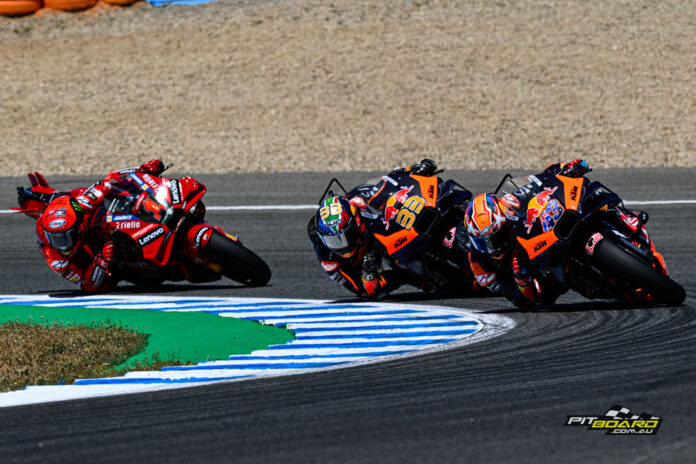
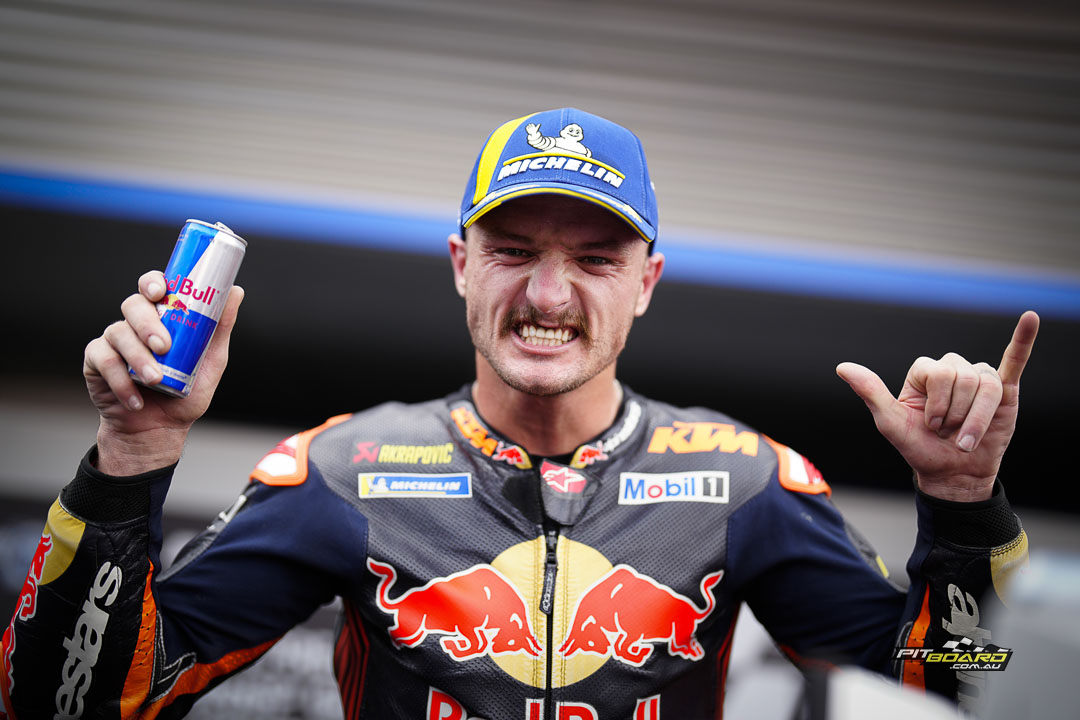
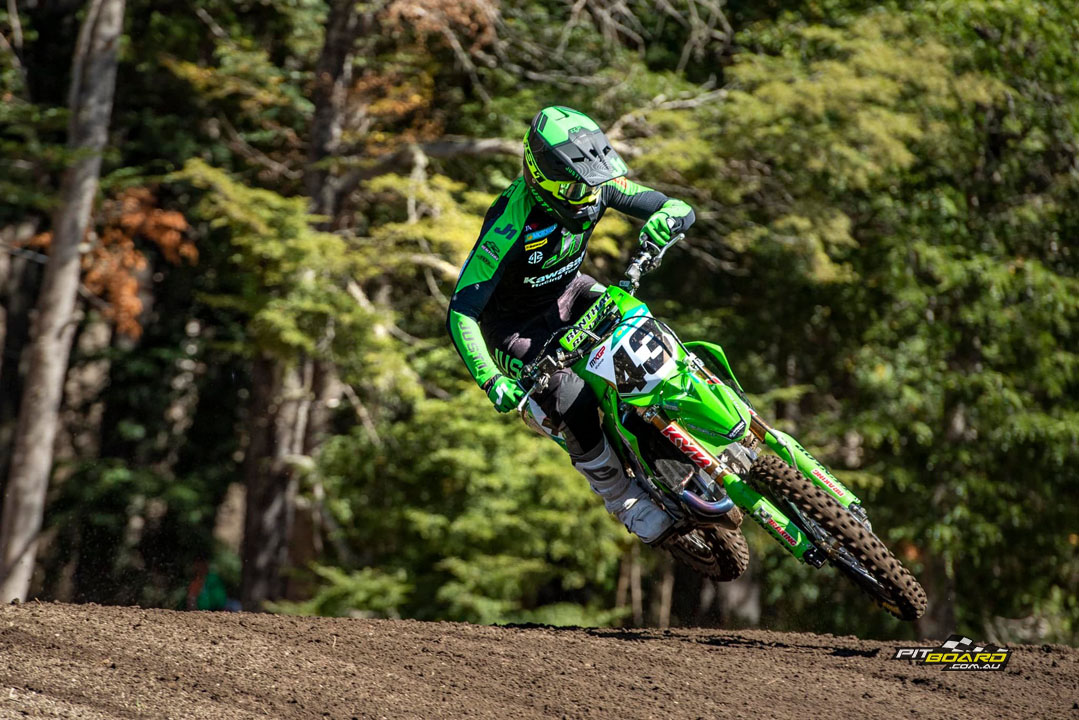
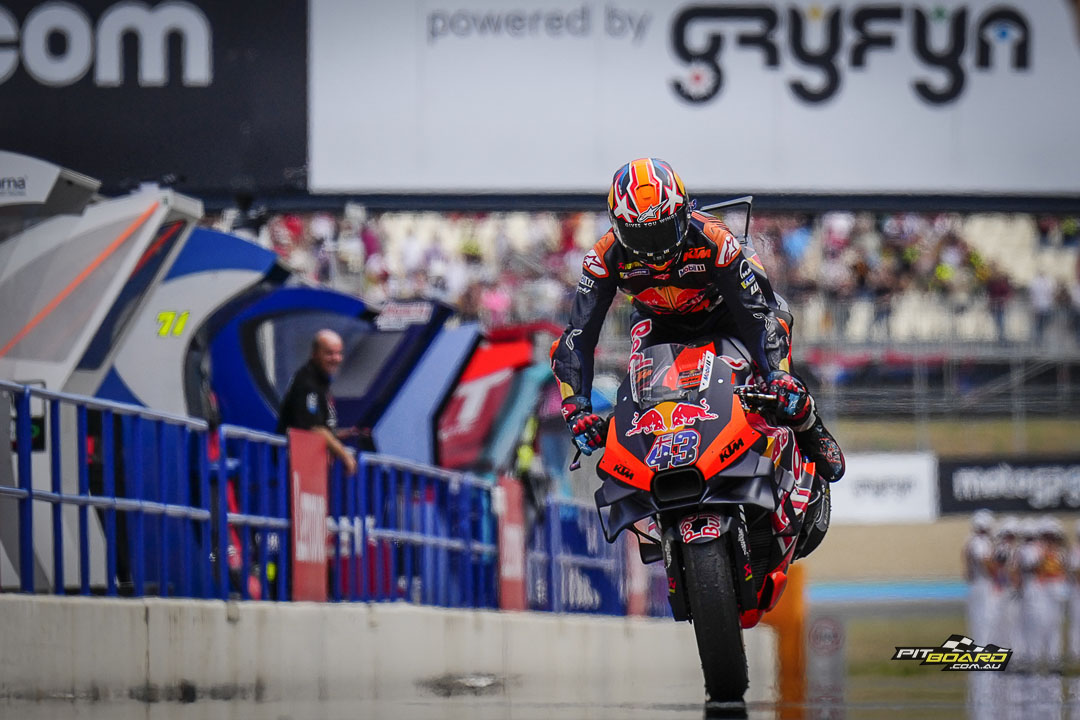
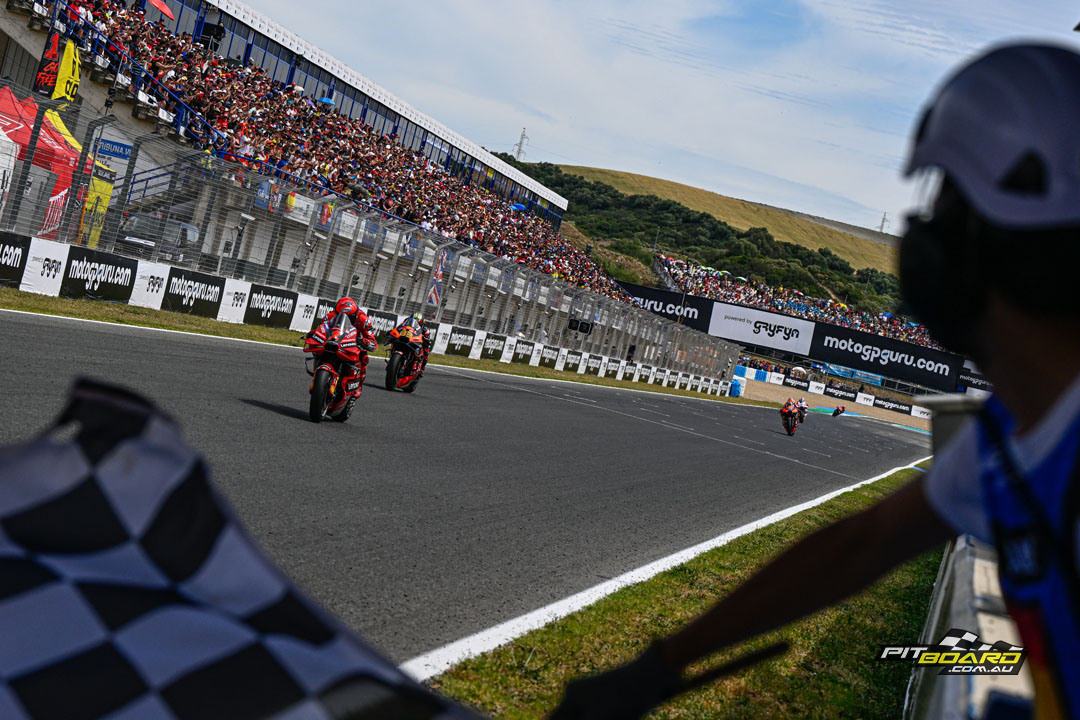
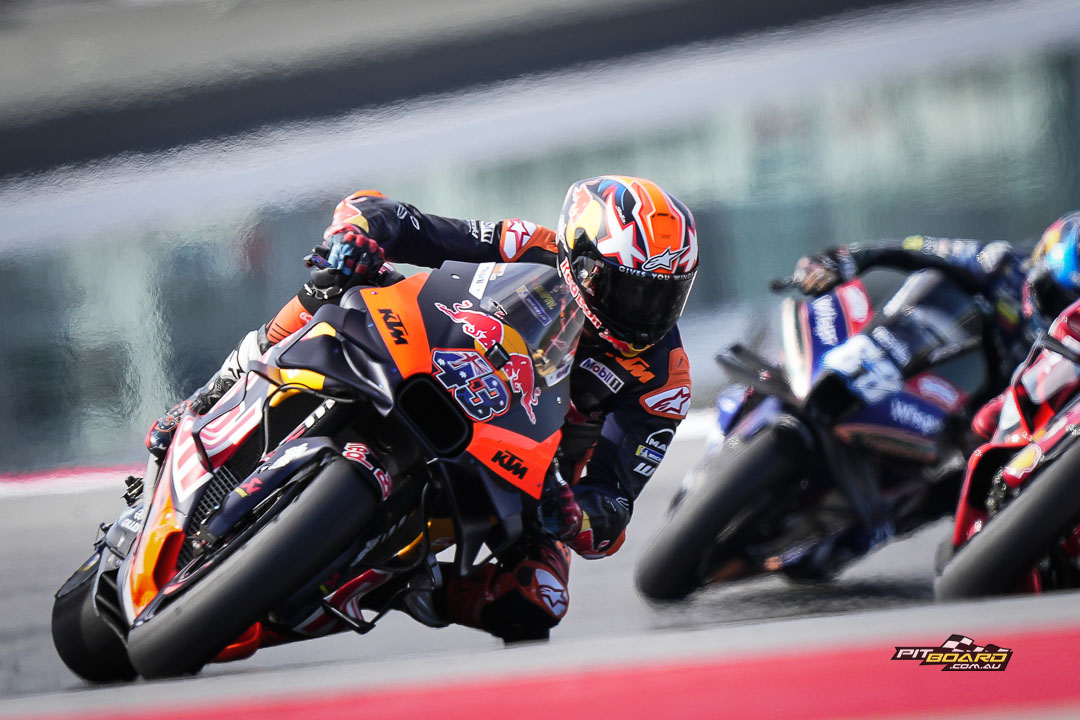
Having ended the season fifth in the MotoGP standings and flexed his muscles on many occasions in the stacked class, 2022 was certainly a year filled with positives for Jack Miller. Here is the run down on his final season with the Ducati Lenovo MotoGP team. Words: Ed Stratmann…

Miller has been in a class of his own when it comes to Aussies racing overseas this year...
Having ended the season fifth in the MotoGP standings and flexed his muscles on many occasions in the stacked class, 2022 was certainly a year filled with positives for Jack Miller.

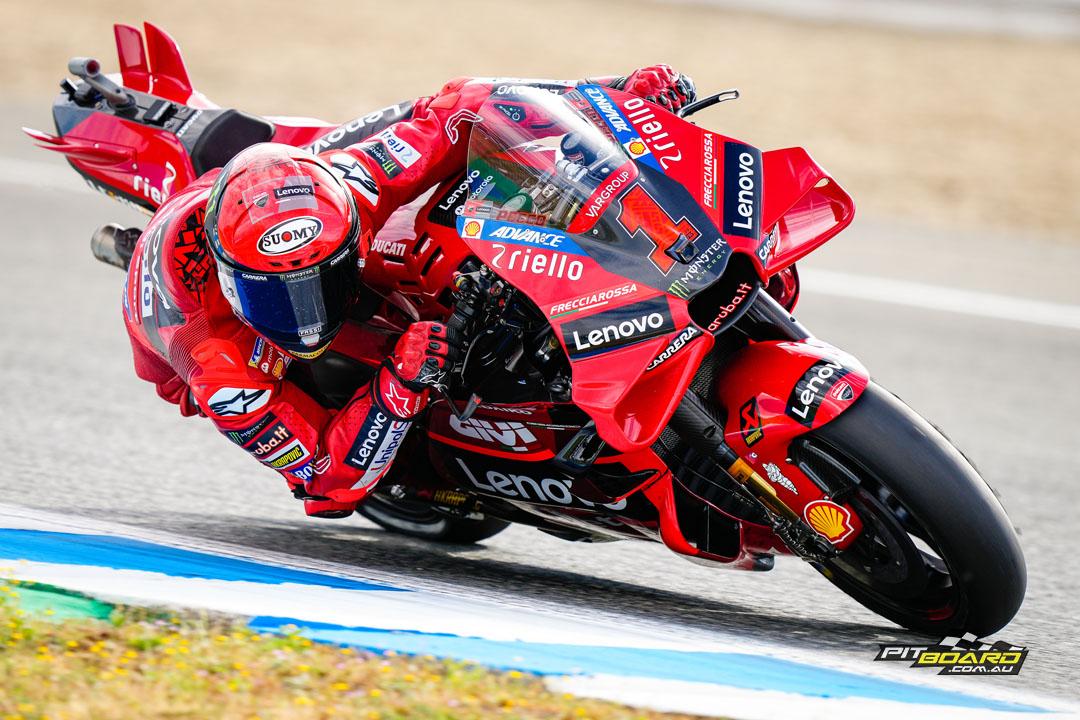
Persistently showing he could mix it with the frontrunners, his one win and five podiums underlined his class in a year where his Ducati Lenovo teammate, Francesco Bagnaia, secured the championship. Moreover, his 12 top six finishes, 10 top five qualifying results and the fact he still did so well despite DNF’ing four races accentuates what a solid crusade he enjoyed.

While Miller, who finished fourth in MotoGP in 2021 and had two wins that term, didn’t replicate these feats in 2022, it was interesting to hear him state he feels this year was actually his best season in the elite class.

“I finished fourth last year in the championship and fifth this time, but this has probably been my strongest season,” said Jack Miller.

“I finished fourth last year in the championship and fifth this time, but this has probably been my strongest season,” he insisted after the finale at Valencia. “Most podiums I’ve ever had, and definitely my best MotoGP win in Japan. Especially after the Catalunya test [in June] the results have been really strong, apart from the mistakes here and at Misano and then getting cleaned out at Phillip Island. Apart from those ones, it’s been pretty solid and I’m really happy with how the second half finished off for me, even if we couldn’t sign it off how I wanted to here.”

Consistently fast and handling the pressure and weight of expectation that inherently comes with riding for factory Ducati, the #43 deserves immense credit for doing so admirably despite the relentless speculation surrounding his future with the Bologna marque that followed him for large swathes of the season. Forced to endure so much chat about him being replaced for 2023 and with his every move under the microscope, the charismatic Aussie handled the situation with aplomb, as he rarely got flustered and instead let his riding do most of the talking.

The Australian round wasn't to be for Miller, who was cruelly taken out by an overzealous Alex Marquez following a good start that saw him mixing it with the frontrunners.
“The results have been really strong, apart from the mistakes here and at Misano and then getting cleaned out at Phillip Island.” said Miller.

There was, however, the odd instance where the frustration got the better of him, with him at one point taking a pop at Enea Bastianini, who was later confirmed as the man who’ll replace him in 2023, earlier in the campaign. “Taking photos and celebrating after one podium? I don’t think that means anything,” Miller asserted.

“I’ve been working with these people for five years. When the results come, they come. I do the best I can for the company. I am a liked person, people like me a lot. I sell a lot more motorcycles than other people do. And that’s a big thing in this business. So, for sure, I have a lot of factors coming in my way.”

Miller was such an exceptional teammate to Bagnaia, who's preference was clearly for him to stay.
Miller was such an exceptional teammate to Bagnaia, who’s preference was clearly for him to stay.

Seeing as Miller was such an exceptional teammate to Bagnaia, who’s preference was clearly for him to stay, it’ll be interesting keeping an eye on the dynamics with two Italians under the coveted factory Ducati awning next year. “He‘s been criticised too much lately, and I’m very happy for him too,” Bagnaia told Sky Sport Italia when asked about Miller.

“Keep him and touch nothing, now that there is this perfect harmony? I feel very, very good with him; we also work a lot together, and I don‘t think we can do it with other riders. In addition, I think he is very strong as a rider. On this track he helped me a lot; I improved too by looking at his data. I think it‘s a difficult balance to repeat if a new rider comes along.

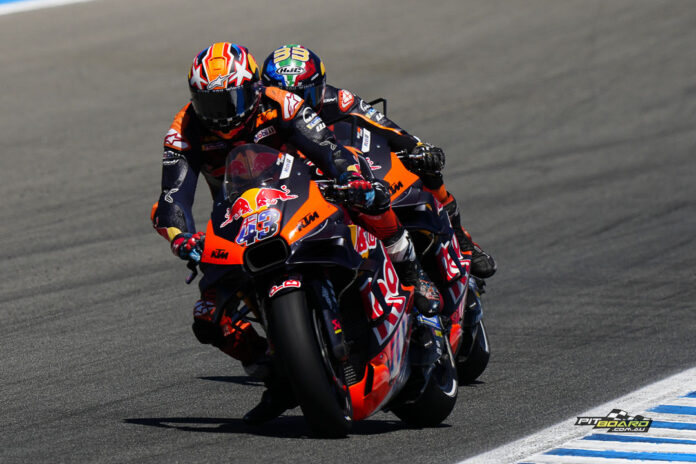
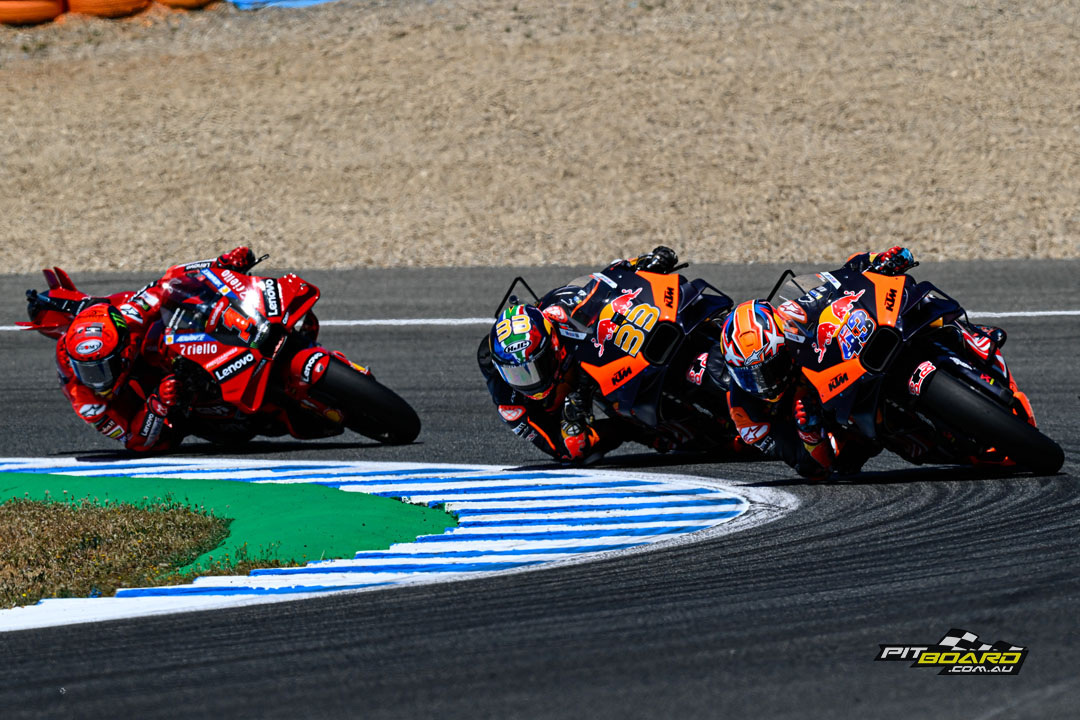
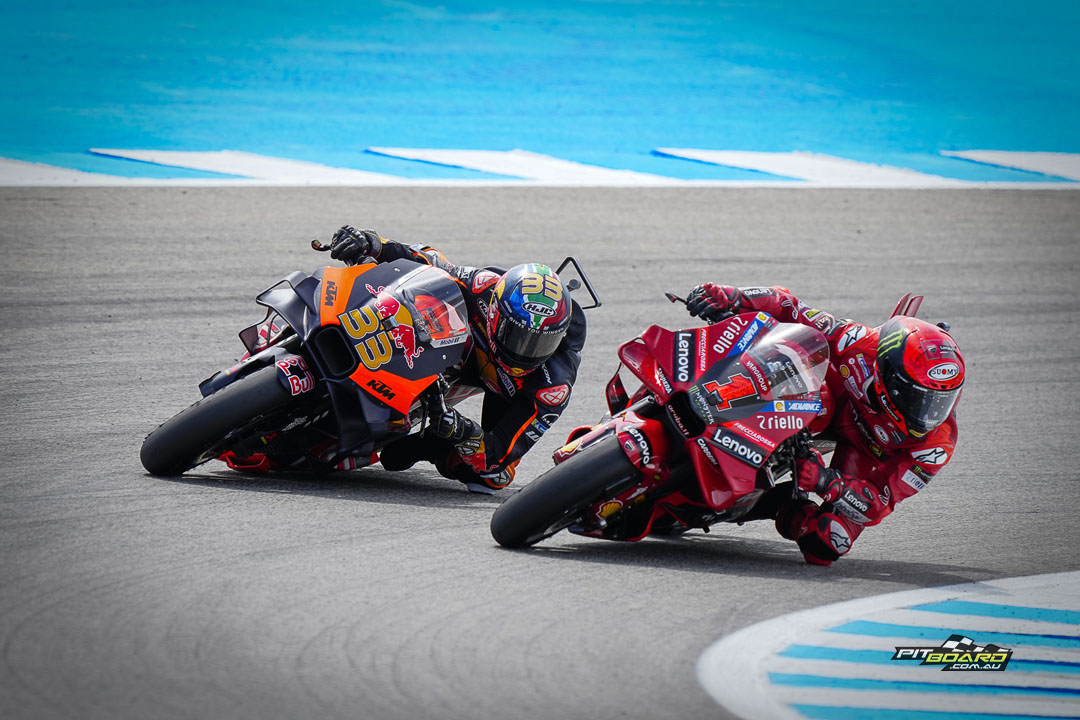
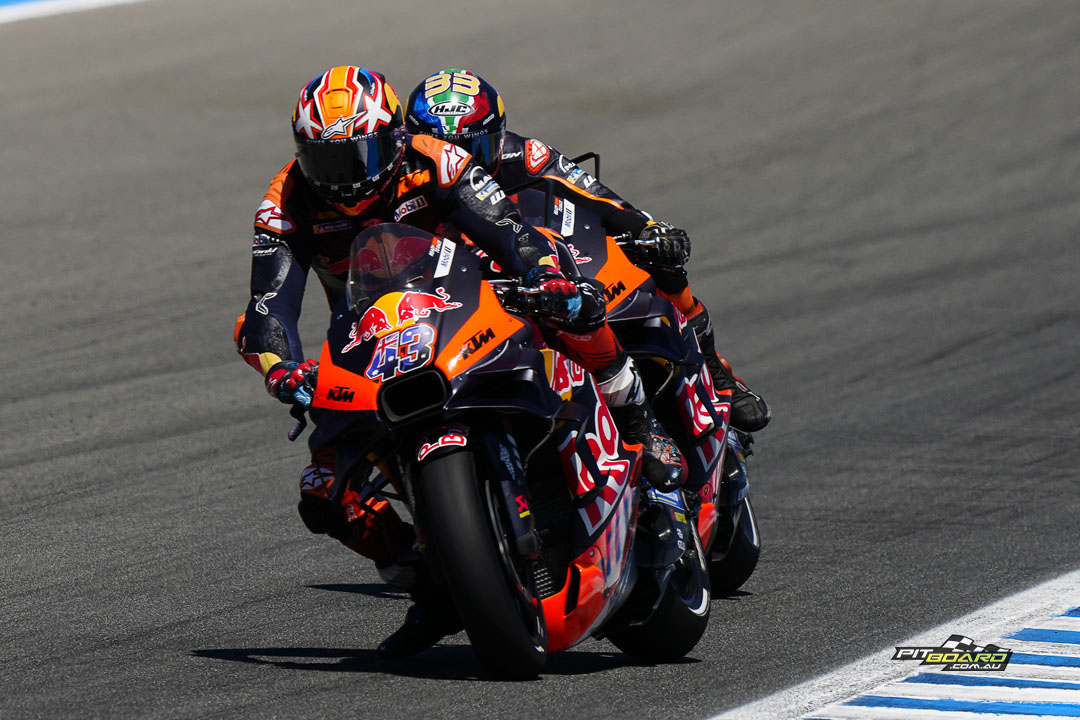
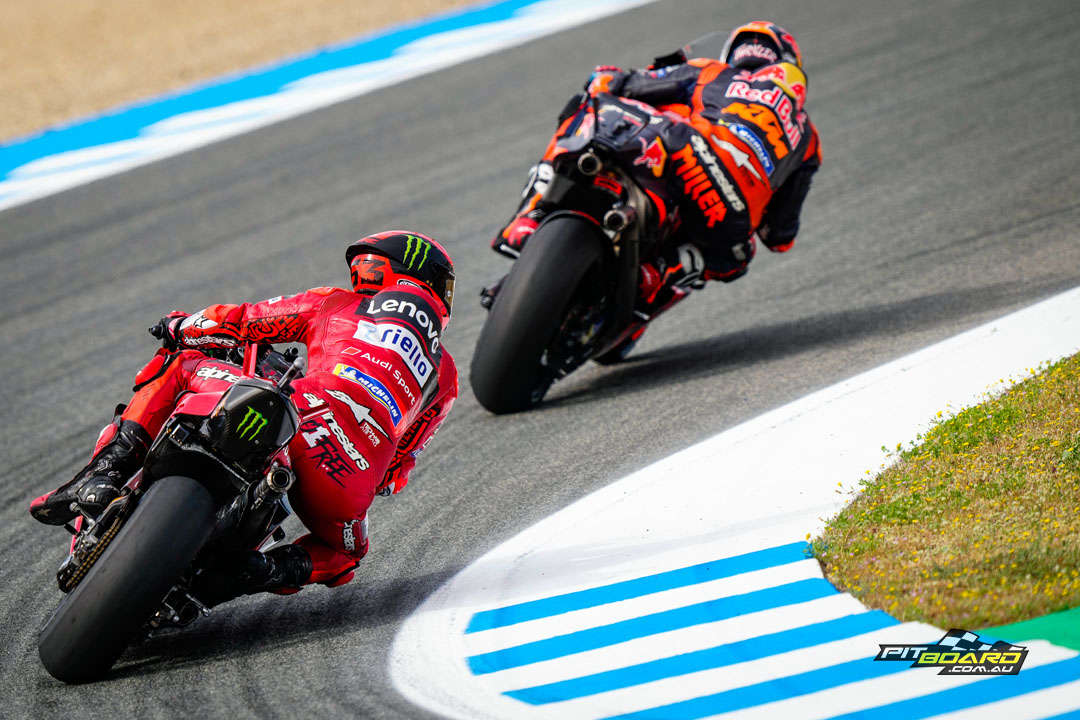
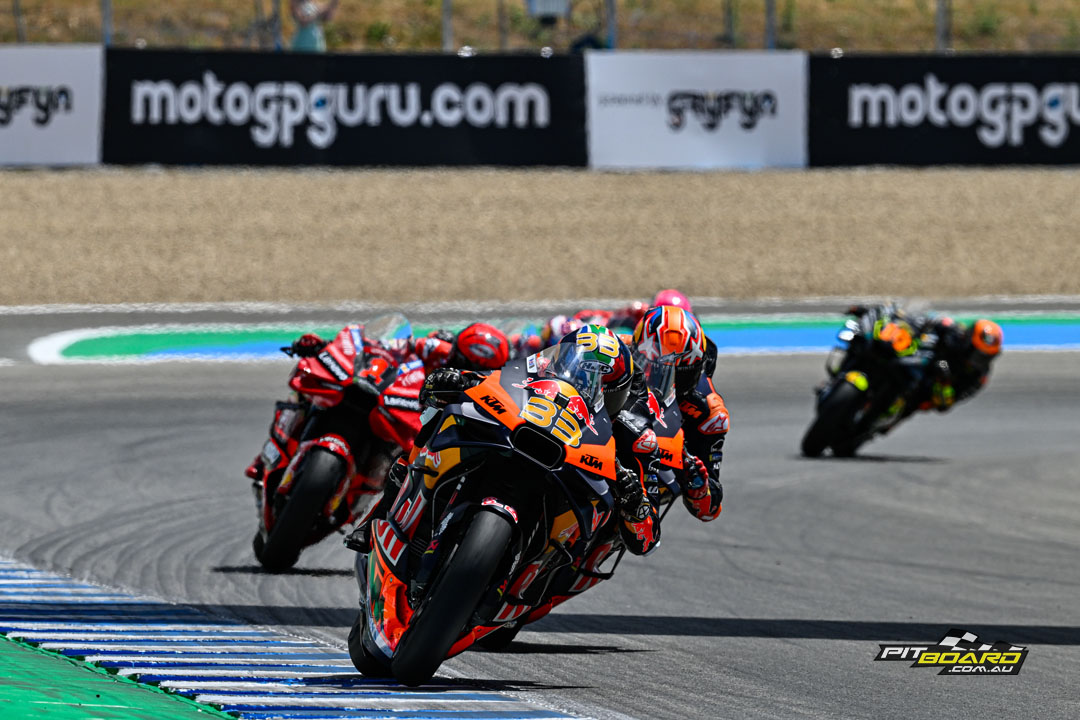
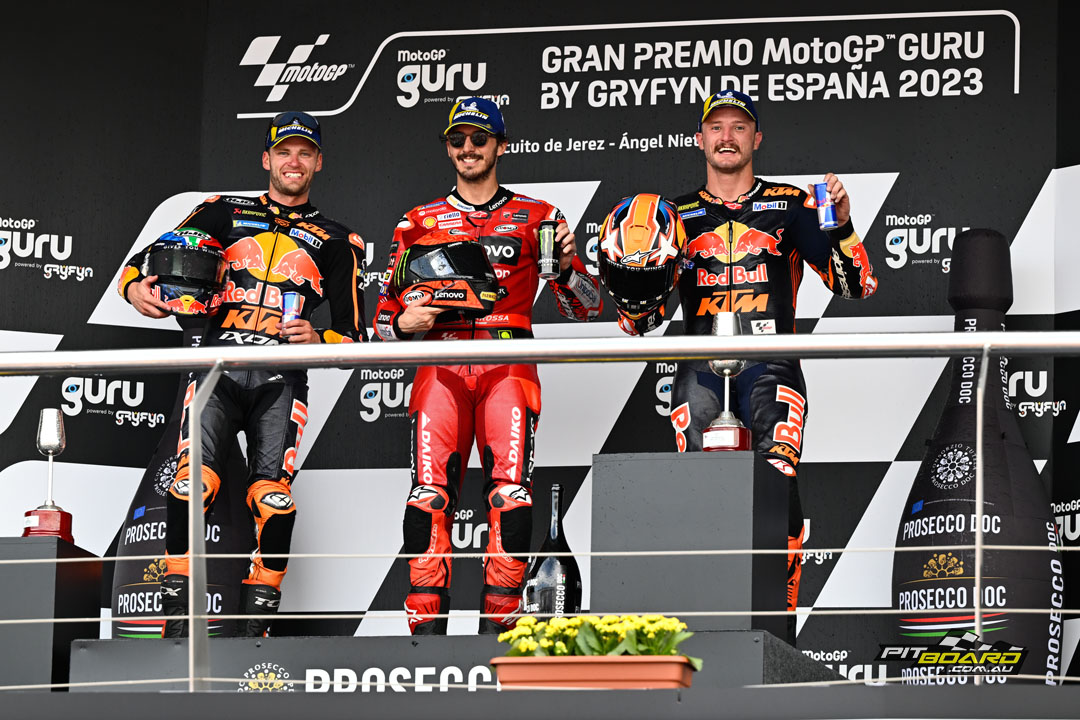
After all the rumours and innuendo, Miller ultimately announced he'd be joining Red Bull KTM Factory Racing in 2023, where he'll join forces with Brad Binder.
After all the rumours and innuendo, Miller ultimately announced he’d be joining Red Bull KTM Factory Racing in 2023, where he’ll join forces with Brad Binder.

After all the rumours and innuendo, Miller ultimately announced he’d be joining Red Bull KTM Factory Racing in 2023, where he’ll join forces with Brad Binder, in a move that also sees him reunite with former Pramac boss Francesco Guidotti.

While his Ducati departure was tinged with sadness, Miller leaves having forged fantastic relationships with the team and the brand, plus displayed what a terrific team member and what a positive person he is to be around.

Miller leaves having forged fantastic relationships with the team and the brand, plus displayed what a terrific team member and what a positive person he is to be around.

“Having Jack alongside Brad in our team means we have another strong asset. I know him well, I know how he likes to work and what he can bring to the box,” Guidotti noted. “I believe his character and the way he will ride and push our KTM RC16 will help us a lot at this stage of our project. Like Brad, Jack is a pure racer: he will find the limits and the maximum of any condition and any package and still go for it to get the result and that is quite a rare quality. The next two seasons will be exciting!”

Joining on a two-year deal following a five-year spell with Ducati, seeing how he fares on the Austrian bike will be fascinating. Encouragingly, the early signs were positive after his first test on the RC16, with him commenting that he adapted more smoothly than expected, which bodes well for the future, especially considering the issues that plagued the KTM riders last term.

All things considered, 2022 was definitely a year to remember for the 27-year-old, where he yet again proved he has what it takes to win races and mix it with the best.

Set for another test in February next year, getting further time on the bike will be crucial as he looks to perform even better and build on his excellent 2021 and 2022 campaigns. All things considered, 2022 was definitely a year to remember for the 27-year-old, where he yet again proved he has what it takes to win races and mix it with the best of them in the elite division while further cementing his status as one of the most populars riders on the grid due to his engaging, fun-loving and likeable personality.


Racer Test: Tom Sykes’ WorldSBK Championship Winning Kawasaki ZX-10R

0

After not quite getting my request in early enough the year previous for the chance to do some laps on Tom’s Championship winning ZX-10R after the thrilling finale at Jerez it came as a very pleasant phone call from Kawasaki’s Martin Lambert while I was at the circuit in the Qatar getting ready for the final race of the season under lights with the smaller Ninja in World Supersport…

Two-times world champion Andrew Pitt throws a leg over the Tom Sykes 2014 WSBK Ninja...
Two-times world champion Andrew Pitt throws a leg over the Tom Sykes 2014 WSBK Ninja…

He simply asked me if I was interested which didn’t need any consideration at all and all I needed to do was make sure I was free on the 17th or 18th of November for the two available days on track for the journalists at Motorland Aragon. Of course it was going to be Jonathan Rea’s hotly anticipated breakout test on the 2015 ZX-10R.


Check out our other racer tests here…


Since I was at Almeria on my standard ZX-10R for the four days leading up to the first day on track I pushed Martin to get me out on track on day one just so everything fitted together a bit better for me and not having to wait around for a full day. He kindly obliged and got me third on the list on day one. 

"Upon arrival at the circuit the KRT team manager Guim Roda informed us all that everything would proceed as normal and there would be no waiting or trying to get moved to the second day."
“Upon arrival at the circuit the KRT team manager Guim Roda informed us all that everything would proceed as normal and there would be no waiting or trying to get moved to the second day.”

Pulling the curtains back in the hotel room on Monday morning revealed that it had poured rain all night and was continuing to piss down. Upon arrival at the circuit the KRT team manager Guim Roda informed us all that everything would proceed as normal and there would be no waiting or trying to get moved to the second day because they had their own things to test which also meant that under no circumstances were we allowed to crash either of the two bikes.

Guim apologised for not being able to control the weather and after a technical briefing with one of the Kawasaki Heavy Industries (KHI) technicians it was time to get suited up. Holy shit, I thought because rain hadn’t really ever entered my mind because it just doesn’t rain in Spain and since I stopped racing you can very happily choose to simply not ride in the rain. The benefit of retirement my mate Neil Hodgson and I always say to each other, and to make matters worse I only had a dark visor.


Tom’s Crew Chief Marcel Duinker was calling me over and the warmers were off and it was time to go out on the Number 1 Kawasaki ZX-10R Factory World Superbike. It brought me back to my days racing for the Factory Kawasaki team in World Supersport and later Motogp although this time the Germans running out of Bavaria had been switched to Spaniards out of Barcelona.


“Just as I was about to pull the clutch in and nudge it into gear Guim lent over and told me in no uncertain terms, ‘Do not crash this bike’.”


Just as I was about to pull the clutch in and nudge it into gear Guim lent over and told me in no uncertain terms, ‘Do not crash this bike’. With that ringing in my ears I headed out with a quick thumbs up for encouragement from my mate and new KRT rider Jonathan Rea who was present in pit lane.

"I had a slight issue because Marcel had forgotten to tell me how to get the pit lane speed limiter off so I rode around the first 3 corners pressing every button I could find until it cleared and went off."
“I had a slight issue because Marcel had forgotten to tell me how to get the pit lane speed limiter off so I rode around the first 3 corners pressing every button I could find until it cleared and went off.”

The moment I got onto the track I had a slight issue because Marcel had forgotten to tell me how to get the pit lane speed limiter off so I rode around the first 3 corners pressing every button I could find until it cleared and went off. Only later did Danilo (Tom’s Electronics and data guy) tell me all I needed to do was change into second and it switched off automatically. Finally up and running I had to remind myself not to use the clutch on the downshift  because the ride by wore system took care of all of that which is an absolute pleasure to ride once you get used to it.

“The first thing you notice though is the smoothness in the way the bike comes off the turns when you open the throttle.”


The first thing you notice though is the smoothness in the way the bike comes off the turns when you open the throttle. The No 1 Superbike almost feels like a cross between a V engine and the big bang Yamaha. Danilo has worked some real magic with the electronics and the fuelling to certain cylinders and when he opens to butterflies to all four cylinders to create the bottom part of the power and the early throttle opening towards the characteristics of a V engine while keeping the advantages of the inline 4 screamer engine once it starts stretching its legs up top. The early part of the throttle opening when it feels like the M1 Yamaha is hard to tell if it is related to lean angle or throttle percentage opening or rpm or a combination of all those things and more, and I am sure they are more than happy to keep their strategy to themselves.


Added with the lighter crankshaft effect on the corner entry and the extra confidence and stability you get running into the turn the bikes actually makes you want to ride it more and more. Even in the wet I would have been happy to do another 20 laps even if my teeth were chattering. I would have taken the extra big piece of foam Tom has on the back of the seat I assume to hold him in place simply because personally I like a bit more room to move around on the seat and the bike. Tom typically brakes really hard and late, he stops the bike to turn it, then gets the bike up and accelerates as hard as possible out of the turn. Even in the wet I could see the bike is set up to be very stable on the brakes and very stable on hard upright acceleration. Tom would explain in a little more detail later on when we chatted why this was the case. 

I had one little moment on the gas when I was accelerating onto the long back straight from low rpms in second gear when I was almost upright and again like David’s bike I thought I was past the risky point and I was able to safely keep opening the throttle when suddenly it stepped out really quickly. My feet stayed on the foot pegs on tom’s bike but still I had to close the throttle and take a little more care next time around. You get to around 40% throttle it you feel like you are hooked up and maybe the suspension is reaching a hard point or the link even reaching a hard point but the tyre can’t manage it anymore and it lets go. 

"Even in the wet I would have been happy to do another 20 laps even if my teeth were chattering."
“Even in the wet I would have been happy to do another 20 laps even if my teeth were chattering.”

Being a factory Superbike I expected some really big hit of power at the top end and the bike to really take off but we all know that is not the best way to keep a tyre consistent over race distance and the smoothness in the way the bike builds power is very impressive. You go from the big-bang style early part of the corner exit through the seamless transition onto full power of all four cylinders while quickly going up through the gearbox without any real surge but all the while knowing the bike is pulling really strong. You certainly notice how the Superbike keeps pulling in the higher gears just as strong whereas the Evo bike flattens off ever so slightly in the last couple of gears. There are no noticeable flat spots or dips in the power curve and it keep pulling strongly to just over 15,000rpm.


“You certainly notice how the Superbike keeps pulling in the higher gears just as strong whereas the Evo flattens off ever so slightly in the last couple of gears.”


I really like the way Tom’s bike came into the apex while trail braking and the stability on the brakes while downshifting quickly at the end of the straight was simply amazing but most of all fun to see how much later each time you could rush into the turn and still make it around. The only negative was it took some pressure on the lever each downshift to get each gear to go in. More of a mechanical thing but  and something you needed to be conscious of because once I went down three times only to realise it hadn’t gone down the last gear and I had to kick it down a bit firmer next time. A bit notchy is the term I think best describes it. I overheard Jonathan Rea talking about the same thing later in the day when he got out on the bike for his first couple of runs.

"There are no noticeable flat spots or dips in the power curve and it keep pulling strongly to just over 15,000 rpm."
“There are no noticeable flat spots or dips in the power curve and it keep pulling strongly to just over 15,000 rpm.”

Again the front feeling was great on the brakes and corner entry and being able to trail brake into the turn in the wet is something I don’t remember doing that often when I raced. I have never ridden on Showa before but I have always heard that if it is the proper factory Showa material it is about as good as it gets and the feeling I had straight away in the wet was pretty confidence inspiring.

It certainly is a testament to KHI, the whole Kawasaki Racing Team and of course Tom Sykes who has been there from the start of this current ZX-10R, that they have been able to deliver such a competitive Superbike over the last three seasons only to miss out on three world titles in a row by six and half points to the almost prototype Aprilia RSV shows how good the base bike has been. This is obviously back up by the fact that Salom won the Evo class and the Stock 1000 European title should have also been claimed by the ZX-10R only for the Perdercini rider to crash on the last lap of the race in Magny Cours while in the lead and throw it out the window.


I ended up going five seconds faster on Tom’s Superbike than the Evo bike but I know probably only half of that is relevant because I was getting better each lap with the conditions and getting my brain up to speed again but I felt much more in control at a faster speed. Unfortunately I got the ‘IN’ board but one of the few times in the wet I wanted to actually keep going because they have done such a great job with the bike.

I had managed to bring both bikes back in one piece and therefore Guim would probably invite me back next year to hopefully ride another Championship winning Kawasaki but for now it was time to grab a quick chat with Tom and his side of the garage.

"Unfortunately I got the ‘IN’ board but one of the few times in the wet I wanted to actually keep going because they have done such a great job with the bike."
“Unfortunately I got the ‘IN’ board but one of the few times in the wet I wanted to actually keep going because they have done such a great job with the bike.”

Team Interview


Danilo Casonato (Data Electronics)
AP: I asked Danilo about the effect he has created with the Drive by Wire system to smooth out the throttle opening.


DC: This is just the effect of the Drive by Wire system where you can manage cylinders 1 and 2 and cylinders 3 and 4 in a different way. Like you said you felt it we can use 2 cylinders with more power and 2 cylinders with less power. On the corner entry we have only one cylinder burning and therefore less engine brake and it is easier to control rather than all four cylinders.

AP: How do you guys compare to your competitors on the electronics side?


DC: Of course we try to watch what the other guys are doing and take notice but mostly we are always learning and our aim is always to react to what the riders are asking for so I suppose it is the riders that drive the direction of development. 


Kawasaki’s moveable office. Looks nicer than what a million dollars will get you in Sydney nowadays.

Marcel Duinker (Chief Mechanic)


AP: Where do you see the team in terms of competitiveness/strengths and weaknesses?


MD: I think at this level everyone is pretty equal in the end it is just each bike has different concepts and different strengths for example we have an inline 4 screamer so for the last few years we have worked very hard to come as close as possible to the positive concept of the softer V engines and I feel really proud that we were able to do this with our type of engine. Our speed over the whole season in terms of race pace was amazing. The slight changes in the rules didn’t affect us so much this year with engines limited to 8 because the Kawasaki is a strong engine and we lost no power at all.


Even when you're freezing cold and wet you have to push through to enjoy the ride on a WorldSBK championship winning machine...
Even when you’re freezing cold and wet you have to push through to enjoy the ride on a championship winning machine…

Tom Sykes (World Champion)


AP: Well mate I have just taken your bike for a ride so firstly thanks for letting me out on her and I must say I really enjoyed it. What impressed me the most was the smooth connection when started to open the throttle and the ride by wire system on corner entry. The first part of the throttle opening though is really impressive has this been a big point that you guys have worked on from day one?


TS: Well yes because being an inline 4 it certainly is going to be more aggressive on the initial throttle opening and acceleration so we needed to create something where our competitors have strengths. We also wanted to keep the advantages of the inline 4 and I suppose masked some of the difficulties with the nature of this bike. I feel we have managed to do that very well and we have a very good base to start from every time we roll out on the bike but saying that we still have some limitations especially in the wet on the side of the tyre at full lean angle.


This is more from the suspension side of things and most particularly the rear. The electronics give you the confidence to open the throttle but then when you get to about 40% throttle opening on full lean angle you arrive at the physical limit of the traction and then you can’t keep opening the throttle, which then stops you running the lean angle you want or feel you should be able to have and hence carry the correct corner speed.


AP: So you kind of get to that point and just have to wait until you can get the bike up and onto a safer part of the tyre. You can’t keep building speed?


Tom: Exactly and a perfect example of that was the second last round at Magny Cours when leon Haslam rode around the outside where if I had made just a few more degrees of lean angle and increased the corner speed I would have had a highside. It’s unfortunate really because other than that the bike is real nice to ride. That problem that I have just mentioned in the wet is still ever so slightly present in the dry too and we can sometimes find a way around it but place like Qatar and Jerez and Magny Cours where you are on the side of the tyre for long periods of time is hurts us. Our advantage with this bike is there it works pretty well in all departments and that was my goal from day one to make a very usable bike.

Swingarm with adjustable pivot point, factory swingarm, carbon-fibre sub-frame…

AP: Chassis wise are they trying to address this and Showa are they coming with ideas?


TS: Yes Marcel has been picking his brain and coming up with ideas and thankfully both KHI and Showa have come here with some new parts and ideas to try so I am quite positive and hopeful we are going to get there. Without elaborating we have plenty of parts to try and we know what we need and now testing away from the race weekends we can get through it all and get it sorted.


Tom Sykes 2013 WorldSBK Kawasaki ZX-10R Specifications 

ENGINE: Inline four-cylinder, liquid-cooled, DOHC 16-valve, 998cc, 76mm x 55mm bore & stroke, Magneti Marelli Ride-By-Wire EFI with 47mm throttle-bodies and oval sub-throttles, electric motors fitted to throttle-bodies for RBW, lightened crank, KHI camshafts, conrods, pistons, cylinder-head, gearbox, clutch all top secret! Akropovic Ti exhaust system, KHI wiring loom


CHASSIS: Stock ZX-10R frame with bracing around the head stock and an insert for head angle changes. Swingarm pivot point adjustable, factory swingarm, carbon-fibre sub-frame, KHI rearsets, ‘bars, levers and controls, Showa factory suspension, Marchesini wheels, Brembo brakes, SpeedFiber carbon-fibre bodywork


PERFORMANCE: Approximately 220hp@15,000rpm, 165kg


Owner: KRT. Currently based in Amsterdam, Netherlands


Tom Sykes 2013 WorldSBK Kawasaki ZX-10R Gallery

Racer Test: 2009 Yamaha TZ250 GP Bike

0

Andrew Pitt had ridden a 1991 TZ250 in a one-off ‘Stars of Tomorrow’ meeting at Lakeside in 1994 grabbing one of his early road race wins in the process and the only other time he rode a GP 250 was a 1995 TZ250 at Phillip Island, again in a one-off race meeting in the Victorian Championships in 1998.

The first time Andrew took a TZ250 for a spin was Shaun Geronimi’s spare bike in 1998 during his Australian title campaign and it was another good experience on the little TZ winning all three races.

So when the chance came up to ride the very last version of the famous and successful TZ250 I couldn’t say no and just quietly I was quite looking forward to it. This bike was a little special though, it had come directly from the Garage 4413 team who campaigned it to the runner-up slot in the All Japan 250cc Championship. The bike’s current owner, Harry Danilidis, purchased it from the team two years ago, straight after the Championship.


Check out our other racer tests here…


Harry chose it simply because, in his own words, ‘it was a pure race bike and the last of its breed’. Harry’s passion for the bike is evident when he lets us know that it only did one season and was never crashed so therefore the spares kit is still full. It made me feel quite privileged to be given an open pit lane, a clear circuit and a brand new set of soft compound Bridgestone slicks to use as I saw fit.

“Harry’s passion for the bike is evident when he lets us know that it only did one season and was never crashed so therefore the spares kit is still full.”

On the technical side, the bike is a kitted TZ250-5KE and the final evolution of the original TZ250. In standard trim the bike puts out a claimed 93hp but with the addition of the kit that is boosted significantly to 105hp. The cylinders are factory items but the porting is done in-house by the team. A few other parts are sourced from ‘The Japanese Tuning House for Yamaha GP bikes’.


The ignition system is Yamaha along with the dry clutch and the factory exhausts. Trevor Lusby of Scott’s MC was our mechanic for the day and looks after the bike. He mixed the fuel at a fairly conservative fuel/oil mix for us journos and has jetted the bike slightly on the rich side just to be safe and taking into account the cool morning temperature.

Fuel was mixed on the rich side for the Journalist to keep the TZR250 happy in the cool morning temperatures.

I had previously ridden a GSX-R750 earlier in the day testing some Pirelli tyres and that is usually considered a pretty nimble bike in terms of the big four-strokes so when I jumped on the TZ and accelerated out onto the private circuit more affectionately known as ‘The Farm’ I knew I was on the right bike. Anyone who has ridden at The Farm will know that there is absolutely no rest and corner after corner that includes a five-changes-of-direction chicane to give a grand total of 29 corners. If there was any bike you would want under you while negotiating 29 corners per lap then this little Yamaha is the one.

Andrew mentioned that the TZ250 felt at home on the winding corners of the farm.

As I wound up to speed and got used to the two-stroke again, the brakes were the first thing that took me by surprise with their incredible stopping power. The Nissin calipers give great feel and that coupled with the Bridgestone front tyre soon pushed aside any concerns I had of stopping without the assistance of the engine braking that I have come to rely on. I simply just squeezed the TZ’s brakes a little harder and never missed an apex all day.


I have to mention the Bridgestones that Trevor had fitted for me because from the moment I went out and got the bike on my knee, they gave me great confidence and feedback. The front actually seemed to get better and better the harder I pushed it and although the rear started to slide on the corner exits towards the end it was very predictable and a lot of fun. This was typical of a soft compound tyre getting a little hot and starting to move around a little.


The engine pulls from as low as 6-7000rpm exiting the slow turns but builds revs really quickly as I went up through the gears all the way to the shift point about 12,500rpm via the quickshifter. It flattened a little right at the top but as Trevor mentioned earlier this was due to him going on the rich side with the jetting. This also made it a little rough on initial opening from closed throttle at low rpm.

The powerband may have been slightly higher in racing trim thanks to different jetting and fuel mixtures.

The real reminder that you are riding a true race bike comes when going back down through the gearbox. Rushing into one of the turns in fourth gear then banging it down all the way to first reminds you how easy and quickly this is done on a two-stroke. I went down three gears while braking really hard with the rear wheel barely touching the surface and there wasn’t the slightest unsettling from the rear during the downshifts.

Andrew seemed to fit perfectly on the TZ250 despite its scaled down dimensions.

Initially looking at the bike I assumed it would feel very cramped and small with the high footpegs but once I was on the bike and lapping I had plenty of space in the turns and no problem getting tucked in down the two straights.

Being a well set-up bike with no expensive spared in the development stage, the TZ250 was predictable and easy to ride when it came to the corners.

The TZ gives the feeling and response that I remember chasing on the four-strokes for years. The little Yamaha turns in very easily without being unpredictable and comes into an apex time after time and holds its line on the exit because it steers on the throttle.


Finally I have to bring up the five-corner chicane again because on most bikes you would be thinking, oh no not again but on the TZ you finding yourself looking forward to reassuring yourself that it really is that easy. Sadly though, these pure race bikes were built for one reason and are destined for museums, parade laps and passionate collectors. Very few will have the opportunity to sample these thoroughbreds, which is a shame.


Jeffs Thoughts
I’ve wanted to ride a proper late model 250GP forever. Having raced 250 proddies for years and being part of a top running Honda team in Japan that ran 250 GP bikes (I was riding 600s and 1000s), I’ve always drooled over 250 GP machines. But a few things stopped me ever racing one – mainly money and my fat arse! 

“The opportunity to ride this bike was one not to be missed and being able to have Pitty along was a huge bonus.” Said Jeff.

The first thing that grabs me is the size. I’m 25kg heavier than I was last time I rode a 250… Once I squeezed in I was OK. And after the initial amount of clutch slip and rpm took me a second to get used to after so many years of four-stroke riding, I was off up the chute. The bike was hot and the tyres too so I wasted no time. I put my head down and ran the bike through to 12,500rpm. I like to do that – rather than ease into a shock of power just get the shock over with! Once I had a feel for the powerband and throttle I was off.


I’ve done a million laps of The Farm and never been fully satisfied on any bike I’ve ridden on the challenging layout. There is always a section that doesn’t suit a bike in some way. But not this time. The TZ250 is perfection.


The bike was jetted on the rich side so it was a matter of rolling off the throttle very gently mid-turn to lean the bike out then it would snap into its powerband and that sticky rear Bridgestone would step out. So much fun! The gearbox actuation was incredible and the quickshifter sensational.


But the big thing for me was the performance of the front-end – the tyre, brakes and forks all worked together to give feel and accuracy that I simply have never felt before. No chance of running wide or missing an apex whether on or off the brakes. The chassis was inch perfect everywhere and the most amazing section, the Famous Five Esses, was a dream on the 100kg 105hp pure racer.


The bike was so well presented and it was a real honour to ride it. I can honestly say I’ve never had so much fun on two wheels. It’s over and above the ride on John Kosinski’s Cagiva 500 or Broc Parkes’ ZX-6R. It was just a dream come true for this boy racer!


2009 Yamaha TZ250 5KE SPECIFICATIONS 

Price: N/A
Power: 105Hp
Wet weight: 95kg


Engine: Yamaha 5KE 250cc two-stroke GP engine, SJK internals
Bore & stroke: 54 x 54.5mm 
Displacement: 249cc
Compression: 7.2 – 7.7:1
Fuel delivery: Keihin flatslides
Exhaust: Yamaha Racing
Gearbox: Cassette-style adjustable ratios
Clutch: Dry
Final drive: Chain


Chassis: Aluminium, hand made
Wheelbase: Variable
Rake & trail: Variable
Suspension: Front: Showa; Rear: Showa
Brakes: Front: Nissin/Brembo Rear: Nissin
Wheels: Front: 2.75 x 17 Magnesium Rear: 5.50 x 17 Magnesium
Tyres: Bridgestone slicks


2009 Yamaha TZ250 5KE Gallery